
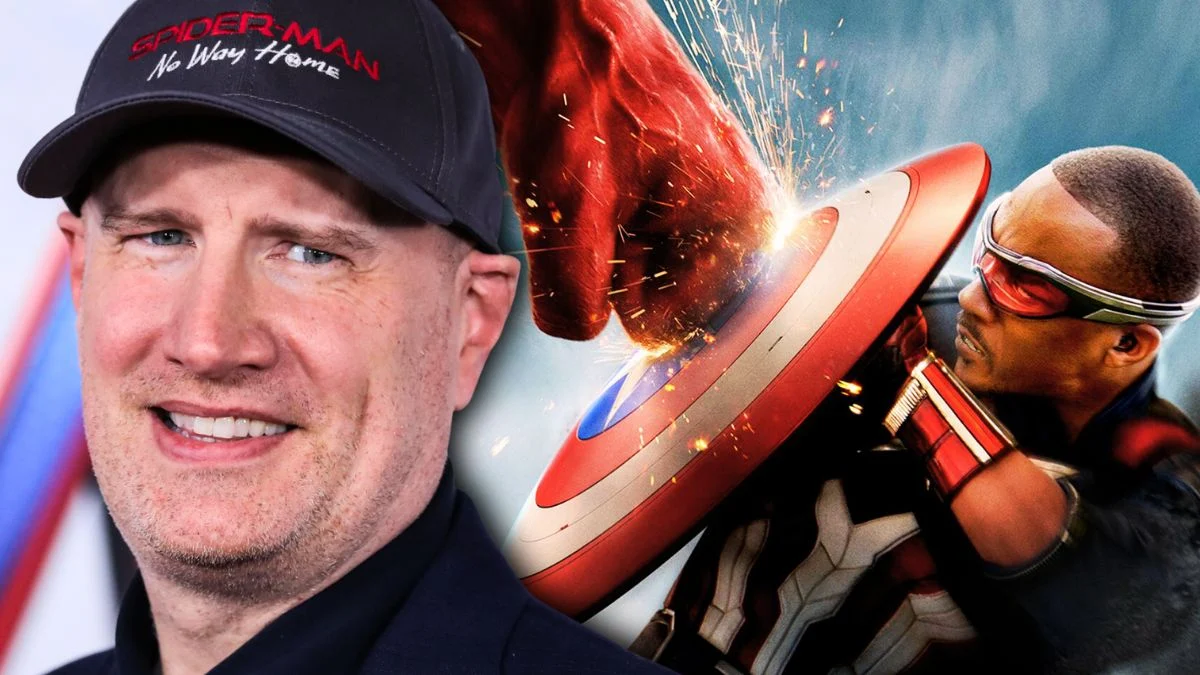
The Struggles of Captain America: Brave New World
The latest installment in the Captain America series, Captain America: Brave New World, faced significant challenges at the box office. Despite being a continuation of Sam Wilson's journey, which began in the Disney+ series The Falcon and the Winter Soldier, the film underperformed compared to its predecessors. This raises questions about what went wrong and why fans didn't flock to theaters as expected.
The movie earned $415.1 million worldwide on a budget of $180 million, according to Box Office Mojo. This is notably lower than previous films like Captain America: The Winter Soldier (which made $714.1 million) and Captain America: Civil War (which surpassed $1 billion). While this may seem like a decent return, it falls short of the expectations set by earlier entries in the Marvel Cinematic Universe (MCU).
Marvel Studios President Kevin Feige attributed part of the film’s underperformance to the absence of Chris Evans, who played Steve Rogers. After Avengers: Endgame, where his character passed the shield to Sam Wilson, Evans left the role. Feige suggested that the lack of his presence was a factor in the film's reception, but there are other elements that contributed to the overall disappointment.
Critical Reception and Audience Feedback
Critics were divided when it came to Captain America: Brave New World. On Rotten Tomatoes, only 48% of 345 critics gave the film a positive review. The critics’ consensus highlighted that while Anthony Mackie did an admirable job taking over the role of Captain America, the film felt too routine and filled with uninteresting Easter eggs. Metacritic gave the movie a score of 42 out of 100, describing the response as "mixed or average."
Audience reactions were also mixed. CinemaScore gave the film a "B–", the lowest rating ever for an MCU film. PostTrak reported that audience reactions were a "mixed bag," with an average of three out of five stars. These numbers suggest that the film failed to resonate with both critics and general viewers.
Behind the Scenes Challenges
Before the film even hit theaters, reports indicated that test audiences had negative reactions to early cuts. In response, Marvel ordered major reshoots to address these issues. Several characters were reportedly cut from the final version, including Rosa Salazar’s Diamondback and Seth Rollins’ King Cobra. Salazar’s character was removed due to weak chemistry with Mackie, despite being written as his love interest. Rollins’ character was cut to make way for Giancarlo Esposito’s Sidewinder, a character that could have a larger role in future MCU projects.
Additionally, the Serpent Society subplot, which had been teased during marketing, was largely scrapped. This left the film feeling disjointed, as if it had been patched together from different pieces that worked during test screenings. Fans were particularly frustrated by the heavy use of Red Hulk in marketing, only for the character to appear briefly in the movie.
Why Did It Fall Short?
While Feige pointed to the absence of Chris Evans as a contributing factor, the film itself didn’t provide a compelling reason for fans to show up in large numbers. The story lacked the emotional depth and narrative cohesion that had defined earlier Captain America films. The result was a messy and forgettable experience that failed to meet expectations.
Ultimately, Captain America: Brave New World serves as a reminder of the challenges that come with transitioning a beloved franchise to a new protagonist. Without a strong story and clear direction, even the most anticipated films can struggle to connect with audiences.
Post a Comment