
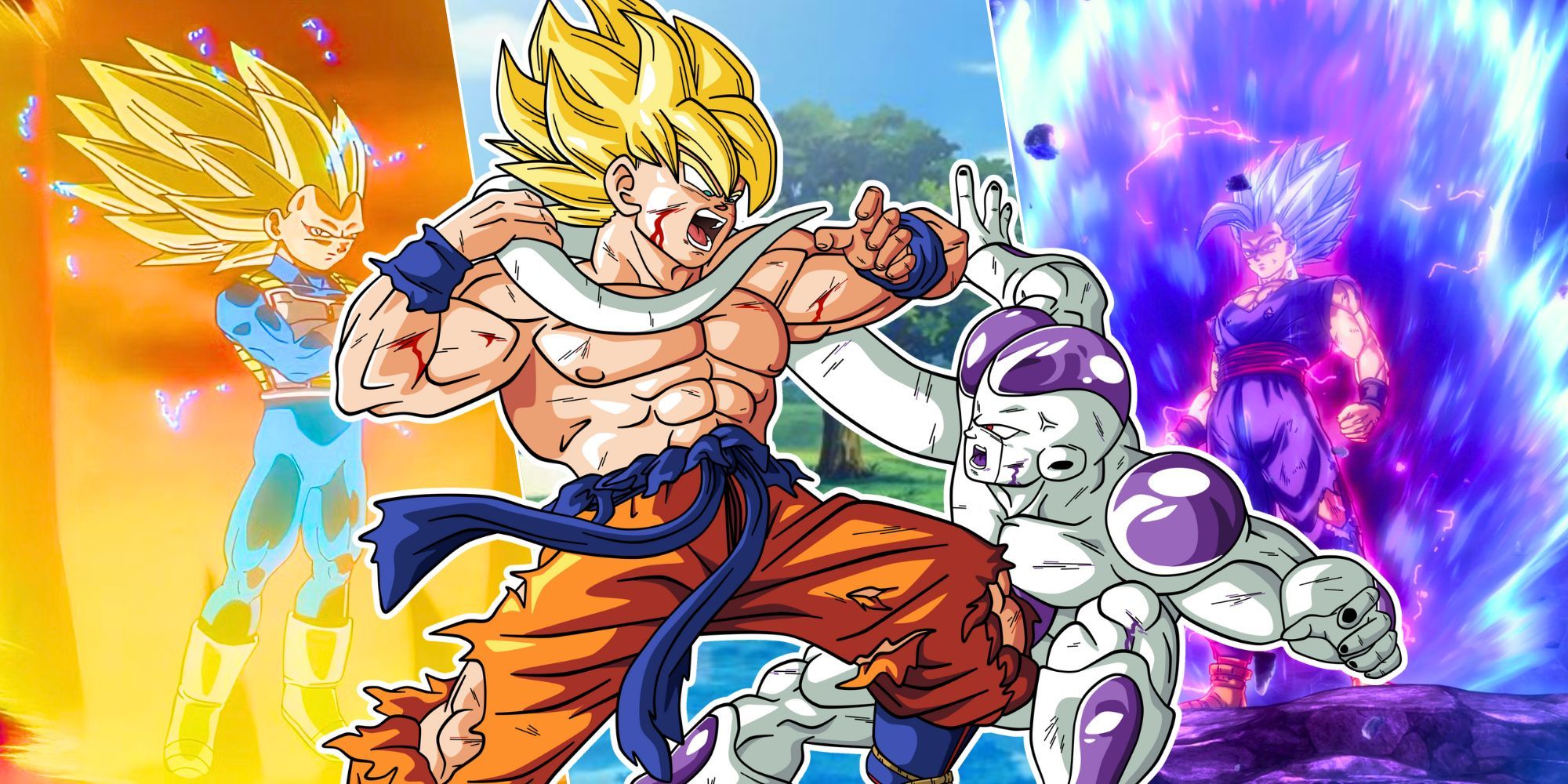
The Show's Later Sagas Failed To Live Up To The Hype
Dragon Ball and Dragon Ball Z became massive hits in Japan and the United States due to their compelling storylines and intense action. However, as the series progressed, it struggled to maintain the same level of quality that made the earlier arcs so memorable. The Saiyan and Frieza Sagas were groundbreaking, but subsequent sagas like Cell and Majin Buu failed to match their intensity. While these later arcs had some standout moments, they often felt like a step down from the previous ones, leading to a sense of disappointment among fans.
The Majority Of The Filler Isn't Great
Filler episodes in Dragon Ball Z are a mixed bag. Some, like Goku learning to drive or battling Pikkon, are considered highlights by fans. However, many filler episodes are criticized for being unnecessary and adding little value to the main storyline. These episodes often serve as time-wasters, with some failing to properly develop characters or ideas. As a result, while a few filler episodes have become memorable, many others have faded into obscurity.
The Show Ends Up Leaning On The Dragon Balls Too Heavily
The Dragon Balls, once a rare and powerful relic, became a go-to tool for resolving conflicts. Their overuse led to them feeling more like a reset button than a magical item. This was especially true with the introduction of the Namekian Dragon Balls, which allowed for frequent wishes and undermined the stakes of the story. Fans found it difficult to take the narrative seriously when death seemed to be just a temporary setback.
Dragon Ball Z Didn't Know What To Do With Gohan
Gohan’s character development was inconsistent throughout Dragon Ball Z. Initially set up as a potential lead, he was repeatedly sidelined by Goku’s return. His academic interests were also introduced and then quickly abandoned, leaving fans confused about his role in the story. This lack of direction made Gohan feel like a character stuck in a loop, never fully realizing his potential.
DBZ Has Terrible Pacing
Pacing issues plagued Dragon Ball Z, with some arcs moving too slowly and others too quickly. Long battles, such as the one against Frieza, dragged on for multiple episodes, while other parts of the story moved at a frenetic pace, making it hard for viewers to keep up. This inconsistency affected the overall enjoyment of the series.
Several Of The Stories Were Created As They Went Along
Akira Toriyama’s approach to storytelling was more spontaneous than planned. While this method led to some of the most beloved arcs, it also resulted in some messy plots. The Android and Cell Sagas, for example, suffered from last-minute changes that left plot threads unresolved. This lack of long-term planning sometimes made the story feel disjointed.
The Show Became Repetitive In Its Later Arcs
After the early success of Dragon Ball Z, the show began to repeat itself. The format of introducing new villains and building up to a major transformation became formulaic, leading to a sense of predictability. This repetition made the later arcs feel less exciting and more like a rehash of previous stories.
The Show Handles Its Female Characters Poorly
Female characters in Dragon Ball were often underdeveloped or sidelined. Chi-Chi, despite her training, spent much of the series as a nagging housewife. Bulma, though intelligent, rarely played an active role in the story. Even Android 18, a strong fighter, was reduced to a domestic role after her arc. This lack of focus on female characters was a significant drawback for many fans.
The Innuendo Is A Little Jarring
Dragon Ball’s humor, influenced by Toriyama’s earlier work, included innuendo-based jokes that felt out of place to modern audiences. Scenes involving flirtation or seduction, particularly from characters like Master Roshi, often disrupted the tone of the story. While not offensive, these moments can feel awkward to viewers accustomed to more refined comedy.
The Show Gives Goku Too Much Of The Spotlight
Despite having a large cast, Goku often overshadowed other characters. His constant presence meant that side characters rarely had the opportunity to grow or shine. This focus on Goku also made some arcs feel predictable, as fans knew he would always arrive to save the day. While this is part of what makes Goku a beloved character, it also limited the development of others.
Post a Comment