
The Challenge of Transitioning a Legacy
When Marvel Studios first announced Captain America: Brave New World, the excitement was palpable. Fans were eager to see Anthony Mackie’s Sam Wilson step into the role of Captain America, a mantle he had earned at the emotional conclusion of Avengers: Endgame. His performance in The Falcon and the Winter Soldier had already demonstrated his potential as a strong, grounded character. Many believed this transition to film would be a natural evolution for the story.
However, the final result did not meet expectations. Despite high-stakes action, beloved supporting characters like The Leader, and the inclusion of Harrison Ford as Thunderbolt Ross/Red Hulk, the film grossed just $415.1 million worldwide on a budget of $180 million. This falls significantly short when compared to earlier Captain America films, such as The Winter Soldier, which made $714.1 million, or Civil War, which crossed the billion-dollar mark.
Kevin Feige's Honest Reflection
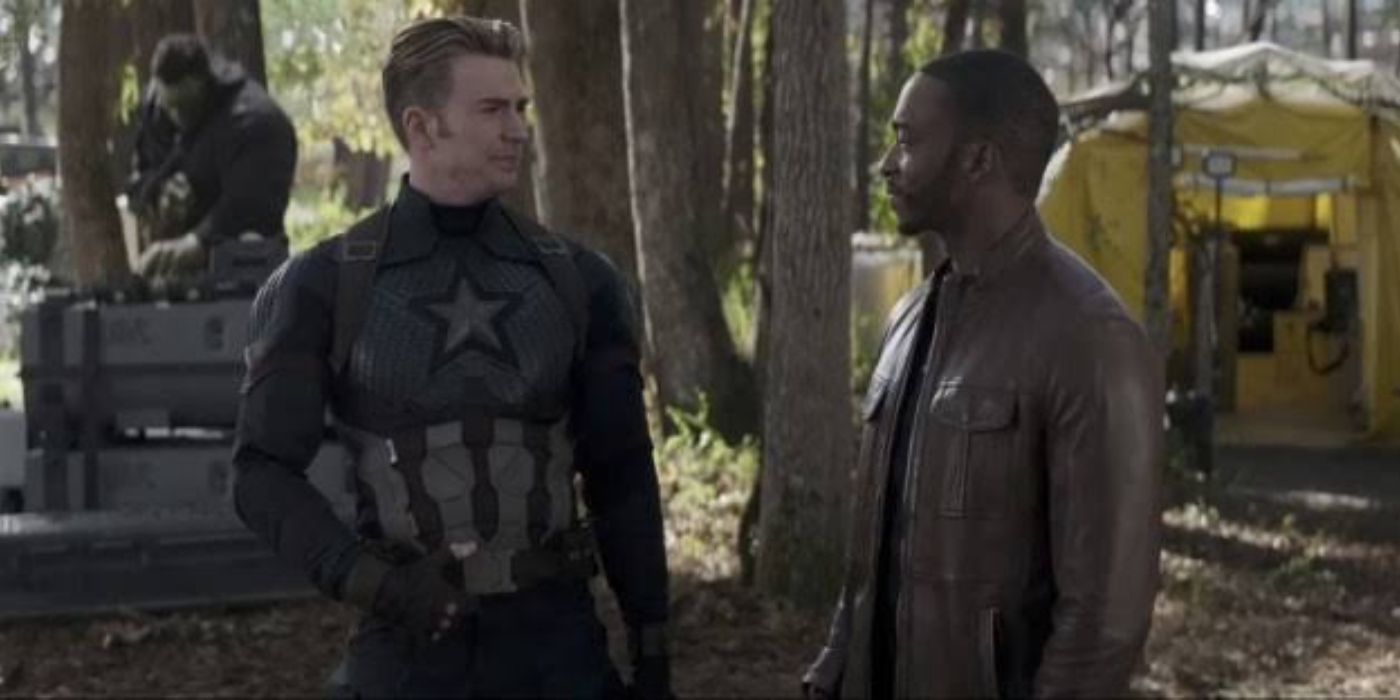
During a recent media roundtable, Marvel Studios President Kevin Feige spoke candidly about the film’s performance. He attributed the underwhelming reception to a key factor: the absence of Chris Evans. According to Feige, Brave New World marked “the first without Chris Evans,” a statement that highlights the unique impact Evans had on the franchise.
Evans’ portrayal of Steve Rogers was more than just a superhero role; it was an embodiment of idealism, sacrifice, and leadership. Fans considered him the perfect fit for the character, and that connection with the audience is difficult to replicate. While Anthony Mackie’s performance as Sam Wilson has been sincere and emotionally rich, stepping into the shoes of an icon like Steve Rogers proved to be an uphill battle.
The Emotional Connection of the Originals
The challenge for Sam Wilson as the new Captain America was not just about talent or acting ability. It was about narrative cohesion and emotional resonance. Evans’ run as Captain America was magnetic because of the deep connection fans had built over years of storytelling. That kind of legacy is hard to match, even with the best intentions and a powerful shield in hand.
Fans may not have rejected Sam Wilson outright, but they weren’t fully invested in his journey. The emotional investment that came with Steve Rogers wasn’t mirrored with the new Captain America. This suggests that audiences might not yet be ready to let go of the originals, no matter how well the successor is portrayed.
A New Era for the MCU
As the Marvel Cinematic Universe moves forward, the departure of key actors like Robert Downey Jr., Chris Evans, and Scarlett Johansson marks the end of an era. With Avengers: Secret Wars on the horizon, there are growing rumors of a “soft reboot” that could reshape the franchise.
The upcoming Avengers: Doomsday is expected to be a turning point. In an exclusive interview with ScreenRant, Loki creator Michael Waldron confirmed his continued involvement with the project. He described the process as “having a blast” and mentioned being “back and forth from London,” where the movie is currently filming.
Waldron’s involvement makes sense given the multiverse’s pivotal role in the MCU. With Tom Hiddleston’s Loki set to return, the stage is set for a multiversal showdown. The introduction of Doctor Doom also signals a shift toward more powerful and emotionally complex villains who can challenge the heroes in meaningful ways.
Rebuilding the Connection
Marvel’s current challenges go beyond box office numbers. They revolve around reconnecting with the audience. The studio must find a way to bring fans along for the ride, ensuring that new characters and stories resonate as deeply as the original ones.
While the transition from Steve Rogers to Sam Wilson was a bold move, it highlighted the difficulty of replacing a legacy. As the MCU continues to evolve, the focus will need to be on building emotional connections that mirror the depth and impact of the past. Only then can the next chapter of the Marvel story truly succeed.
Post a Comment