
The Rise of AI in African Animation
Digital technology has transformed the animation industry, leading to a decline in hand-drawn techniques. However, it still relied on a large number of creatives and technicians. Now, the emergence of artificial intelligence (AI) raises concerns about whether it might further reduce the human element in the creative process.
In Africa, however, animation professionals view AI as an opportunity to unlock new creative possibilities and simplify the production process. Stuart Forrest, CEO of Triggerfish Animation Studio, which is based in South Africa, believes that Africa's unique position globally offers potential for growth. With 1.4 billion people on the continent, only a small fraction is actively involved in the animation industry. Integrating AI could allow more creatives to bring their projects to life.
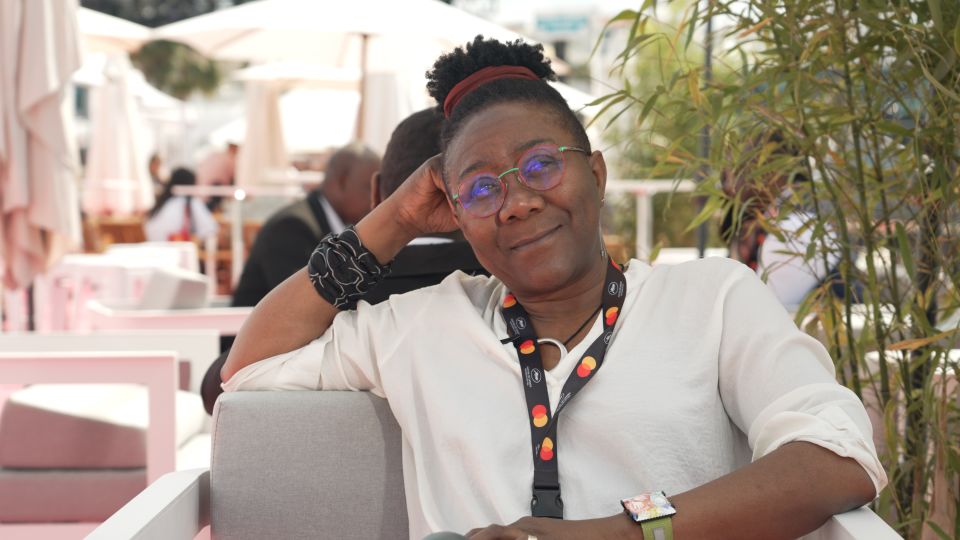
Ebele Okoye, a Nigerian filmmaker known as the “Mother of African animation,” also sees the benefits of AI. She highlighted the ability to tell African stories without needing large amounts of funding. At the Cannes Film Festival, she discussed how AI can empower African storytellers.
The African animation sector was valued at $13.3 billion in a 2023 report. However, there has been a historical lack of funding for African animated projects. Forrest explained that the perception that African stories don’t generate income is self-fulfilling. With AI, he predicts that a feature film that would have cost $10-20 million could now cost around $50,000 with just two or three creatives involved. This could lead to a flood of new stories from countries that have not seen investment before.
AI and the Job Market
One major concern is the impact of AI on the job market. Opinions vary on whether AI will replace jobs or make them easier. Okoye believes that AI can empower people rather than replace them. However, Masilakhe Njomane, a junior research fellow at the South African Cultural Observatory, argues that if entry-level jobs become obsolete, the industry could become more elitist.
Forrest mentioned that while AI may eliminate some roles, it can also create new ones. He noted that employees at Triggerfish have used GitHub Copilot, an AI coding assistant, to speed up their work. Njomane pointed out that AI could provide opportunities for independent studios to play a bigger role in content creation.
Ethical and Legal Challenges
Beyond the job market, integrating AI into the creative industries raises ethical and legal questions. Issues such as data sourcing and copyright infringement are significant concerns. AI companies have faced lawsuits over training models on copyrighted material. For instance, Midjourney was recently sued by Disney and Universal for alleged copyright violations.
The European Union has proposed new rules requiring companies to disclose the content used to train algorithms. In the United States, the Copyright Office concluded that generative AI output can be protected if a human contributes expressive elements. While the African Union is developing its own policies, the issue remains prominent in its 2024 AI strategy report.
Okoye advises African animators to avoid web-based generative AIs and instead use localized workflows. She uses software like ComfyUI to train AI models based on her characters, ensuring intellectual property rights remain with the creator.
Addressing Bias in AI
Creative control over data inputs can help address biases in AI systems. Racial bias in AI is well documented, affecting facial recognition and language models. Okoye emphasized the importance of creating local AI models to avoid generic or inaccurate imagery of African characters.
Forrest noted that the lack of existing African animation content limits AI's understanding. Njomane added that many AIs perform better in Western languages and often generate generic images of Africa. To address this, Okoye envisions a scenario where development funds support studios to create diverse African characters and culturally specific assets for AI training.
The Future of African Animation
With the success of series like "Iwájú" and "Iyanu," African animation is gaining international attention. As studios aim to replicate this success, they will need all available tools. Despite ongoing ethical challenges, Okoye remains optimistic. She reflects on her own experience as a typesetter during the rise of personal computers, highlighting the positive changes that AI can bring.
“What a great time to be alive,” she said, emphasizing the potential for innovation and growth in the African animation industry.
Post a Comment