
The Origins and Legacy of the Fantastic Four
When the Fantastic Four first appeared on newsstands in 1961, they changed the trajectory of Marvel Comics. They sparked a superhero boom known as “The Marvel Age.” Stan Lee, who was both a Marvel editor and co-creator of the Fantastic Four, once said, “That was really the start of everything.” If that’s true, then Mr. Fantastic, the Invisible Woman, the Human Torch, and the Thing are arguably the most important characters in Marvel history. Yet, despite their significance, they have never been properly represented on the big screen.
Thursday’s The Fantastic Four: First Steps features Pedro Pascal, Vanessa Kirby, Joseph Quinn, and Ebon Moss-Bachrach as Marvel’s First Family. However, they are not the first actors to portray these iconic characters. There have been four previous attempts to bring the quartet to the big screen, none of which succeeded. These include a low-budget 1994 version directed by Roger Corman, a pair of Noughties films with Chris Evans, and a dark, poorly received 2015 reboot. As screenwriter Craig Nevius, who worked on the Corman film, noted, “It’s been this insurmountable challenge for filmmakers.”
The Birth of the Fantastic Four
Co-created by Stan Lee and Jack Kirby, the original Fantastic Four story involves the team sneaking into a space rocket to outdo the communists, only to be hit by cosmic rays that give them superpowers. Dr. Reed Richards, or Mr. Fantastic, can stretch and bend his body; Susan Storm, the Invisible Woman, can disappear and create force fields; Johnny Storm, the Human Torch, turns into fire and flies; and Ben Grimm, the Thing, is an orange rock monster. Their adventures begin with a trip to Monster Isle, where they defeat the Mole Man and his subterranean army.
Tom Scioli, a comic writer and artist, describes the first issue of Fantastic Four as “a revelation.” The characters were unlike any other superheroes at the time. They were oddities and outsiders who revealed themselves to the world. They didn’t wear costumes initially and were fallible, showing human emotions and bickering among themselves. This set a trend that Scioli calls “weirdoes as heroes,” influencing future Marvel characters like the Hulk, Spider-Man, and the X-Men.
The Challenges of Bringing the Fantastic Four to Film
In the 1980s, German producer Bernd Eichinger tried to make a Fantastic Four movie but couldn’t secure studio backing. He had to produce a film before December 31, 1992, to keep the rights. He approached Roger Corman, who made a low-budget film for under $1 million. Despite its budget, the film was the most faithful adaptation of the comic, featuring the best version of Doctor Doom.
However, the film was never officially released. Eichinger had plans for a big-budget version with 20th Century Fox, so he bought the print from Corman. Stan Lee criticized the film at conventions, calling it damage control. There were rumors that Eichinger never intended to release the film, just to retain the rights. A 2015 documentary, Doomed, claimed that Avi Arad, founder of Marvel Studios, buried the film to prevent it from undermining his plans for the MCU.
The Big-Budget Failures
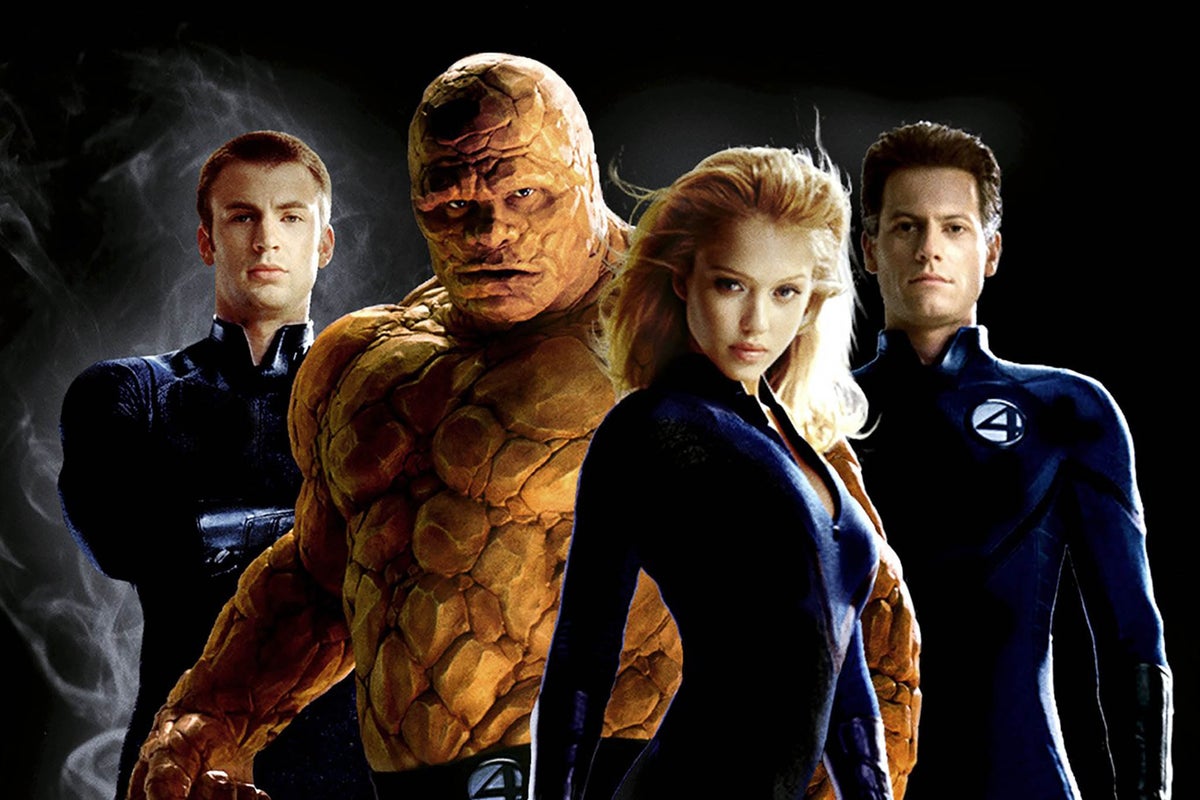
The big-budget Fantastic Four film, directed by Tim Story, arrived in 2005 with Ioan Gruffudd, Jessica Alba, Chris Evans, and Michael Chiklis. It was weak and childish, lacking the superheroics expected. The film condensed decades of comic book antagonism into one brief showdown, and it felt outdated compared to Batman Begins. The sequel, Fantastic Four: Rise of the Silver Surfer, reimagined Galactus as a space cloud, disappointing fans.
Tim Story later admitted that some studio executives were afraid of what Galactus might look like. Scioli suggested that the Fantastic Four became “vanilla” compared to other Marvel characters like the Hulk and Spider-Man. By the time the MCU was established, the Fantastic Four seemed like a flavorless imitation.
The 2015 Reboot and Its Struggles
The 2015 reboot, directed by Josh Trank, suffered from production problems and discord between the director and the studio. It tried to go dark and serious, which didn’t fit the characters. Scioli liked the film but agreed that it went against conventional wisdom of the Fantastic Four. The film was plagued by reshoots and reports of post-Dark Knight syndrome.
Despite its issues, the unreleased B-movie seems the most faithful Fantastic Four film, partly because it was an oddity and outsider. Now, the actors from the Corman film will cameo in First Steps, even if early reviews suggest a divisive response.
The Future of the Fantastic Four
Nevius hopes the new version can capture what he believes is crucial to the characters—being true blue and a little corny, but not apologetic for it. He hopes the new film is embraced and that the Fantastic Four get a great interpretation.
The Fantastic Four: First Steps is now in cinemas, marking another attempt to bring these iconic characters to life on the big screen.
Post a Comment