
The Rise and Fall of the Fantastic Four: A Long and Winding Road to the Silver Screen
Before the release of Blade in 1998, the mid-to-late ’90s were a challenging time for Marvel. Despite creating numerous iconic characters over decades, the company faced financial difficulties, filing for Chapter 11 bankruptcy as the comic book boom of 1993 began to fade. There had not been a major theatrical film based on Marvel characters since George Lucas’ Howard the Duck in 1986, followed by direct-to-video films like The Punisher and Captain America. It seemed like Marvel was at its lowest point when a Roger Corman-produced Fantastic Four movie was shelved in 1994, but this marked the beginning of a long journey that eventually led to a big-budget Fantastic Four film in 2005.
The Early Pursuit of the Fantastic Four
Since the early ’80s, German producer Bernd Eichinger of Neue Constantin Film had been interested in adapting Fantastic Four, the Silver Age team created by Stan Lee and Jack Kirby. Eichinger acquired the rights for around $250,000 in 1986 with the help of Lee, who had been working to bring Marvel characters to the big screen. However, due to high costs and limited visual effects capabilities, the project struggled to move forward. In the early ’90s, the estimated budget for the film was $45 million, making it one of the most expensive movies ever. When Eichinger’s rights were about to expire in 1992, he turned to Roger Corman to produce a low-budget version of the film, which was later shelved after a last-minute deal.
Chris Columbus and the Vision for the Fantastic Four
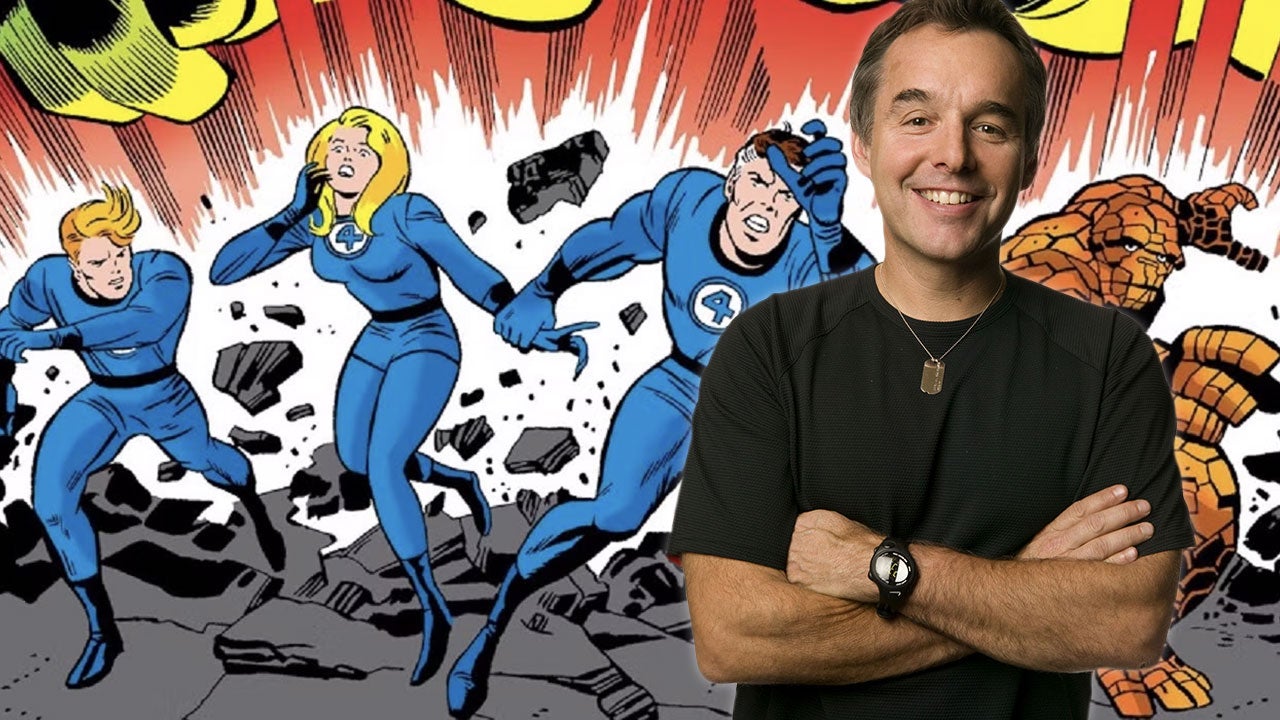
Chris Columbus, known for films like Mrs. Doubtfire and Home Alone, expressed interest in directing a Fantastic Four movie. He had a deep appreciation for comics, especially Marvel titles, and believed the technology of the mid-’90s would allow for a more realistic portrayal of the characters. Columbus envisioned a film that would showcase the powers of Reed Richards, Sue Storm, Johnny Storm, and Ben Grimm in a way that felt dynamic and visually engaging. His script included detailed scenes of the characters’ powers and their interactions, setting up a story that would be both action-packed and emotionally driven.
The Script That Never Was
Columbus worked with screenwriter Michael France to develop a script that retained many elements of the original Fantastic Four comics while incorporating modern storytelling techniques. The script featured a unique take on the origin of the characters, including an early encounter with Victor Von Doom, who was portrayed as a more complex character than in the final film. The script also introduced a new antagonist, Marius Morlak, and included a variety of action sequences that showcased the team’s abilities.
However, despite the promising direction, the project faced several challenges. The budget was too high, and the studio was hesitant to invest in such an ambitious film. Columbus eventually stepped down from the director’s chair, and the project was handed over to other filmmakers. Although his vision influenced the final film, he was no longer involved in the production.
The Final Film and Its Legacy
In 2005, Fantastic Four was finally released, directed by Tim Story. While the film received mixed reviews, it was a commercial success, earning $333 million worldwide. The movie stayed true to the spirit of the original comics, focusing on the dynamics of the four heroes and their struggles to adapt to their new powers. The film also faced criticism for its special effects and tone, with some viewers feeling it lacked the depth of the source material.
Despite these issues, the film laid the groundwork for future Marvel projects and helped pave the way for the modern superhero era. The challenges faced during the development of Fantastic Four highlighted the complexities of adapting comic book stories for the big screen, but they also demonstrated the passion and dedication of those involved in bringing the characters to life.
The Journey Continues
The story of Fantastic Four is a testament to the perseverance of creators and producers who believed in the potential of Marvel’s characters. From the initial attempts by Eichinger and Corman to the vision of Columbus and the eventual release of the 2005 film, the journey was long and fraught with obstacles. Yet, through determination and creativity, the Fantastic Four found their way to the silver screen, leaving a lasting impact on the world of superhero cinema.
Post a Comment