
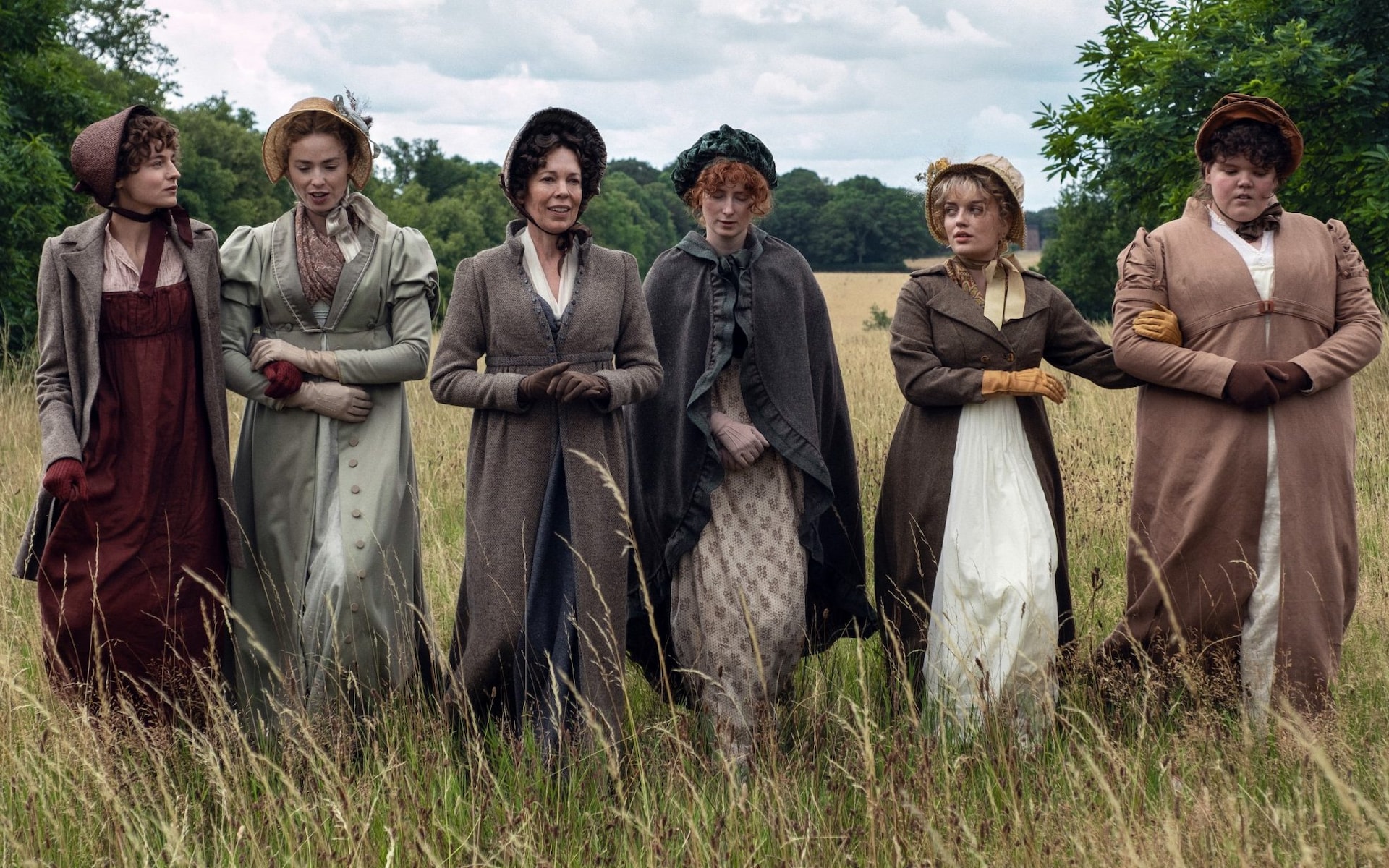
Netflix is set to reimagine Jane Austen's classic novel, Pride and Prejudice, with a diverse cast, continuing a trend seen in their other period dramas. This move follows the streaming platform's commitment to increasing on-screen ethnic representation, a strategy prominently displayed in the popular series, Bridgerton.
Diverse Casting Choices
The upcoming adaptation will feature Mr. Bingley and his sister, Caroline, portrayed by actors of mixed-race heritage. These characters hold significant social standing in the novel, being considered above the Bennet family in the Regency era hierarchy. Mr. Bingley's wealth and social position are crucial aspects that make him a desirable match within the society depicted in the story.
Irish actor Daryl McCormack, who has previously spoken about his experiences with racism in Ireland, will take on the role of Mr. Bingley. Siena Kelly, known for her work in Black Mirror, will play Caroline Bingley.
Joining the Ensemble
These casting announcements come alongside the unveiling of Rufus Sewell as the affable Mr. Bennet, Olivia Colman as Mrs. Bennet, and Emma Corrin, famed for their role in The Crown, as Elizabeth Bennet. Jack Lowden, best known for Slow Horses, is slated to play the iconic Mr. Darcy.
Creative Vision
Dolly Alderton, the writer and executive producer of the series, has expressed that this Pride and Prejudice adaptation will offer a unique opportunity to present the beloved story in both familiar and innovative ways.
Diversity and Representation: A Delicate Balance
Netflix's focus on diversity, while often celebrated, has also sparked debate. In 2021, Verna Myers, Netflix's diversity lead, acknowledged that this emphasis can lead to "some controversy."
A previous Netflix series sparked debate when it portrayed Cleopatra as black. Producer Jada Pinkett Smith cited the importance of telling "stories about black queens" as the motivation behind the casting choice. However, this portrayal was met with criticism, with leading Egyptian archaeologist Dr. Zahi Hawass stating that "Cleopatra was not black," given her Macedonian Greek heritage tracing back to Ptolemy, a general of Alexander the Great.
Broader Trend in Period Dramas
Netflix is not alone in its pursuit of diverse casting in period dramas. The BBC has also actively sought to increase representation in its productions.
Wolf Hall, for example, included a diverse cast of Tudor courtiers in its second series, even for historical figures known to be white. This extended to portraying members of the same family as being of different ethnic backgrounds. For instance, the mother and sister of Jane Seymour, Henry VIII's third wife, were depicted as having different ethnic backgrounds from Jane herself.
This approach is also being adopted in the forthcoming drama King and Conqueror, which explores the Norman invasion of 1066. The series will feature Anglo-Saxon noblemen from diverse backgrounds. King and Conqueror is a CBS Studios co-production series acquired by the BBC.
The Challenge of Historical Accuracy
The trend of diverse casting in period dramas raises questions about historical accuracy and the balance between representation and authenticity. While Austen's original novels offer limited physical descriptions of her characters, the social context of Regency England was undoubtedly shaped by racial and social hierarchies.
Some argue that reimagining historical figures and settings with a diverse cast can be a powerful way to challenge traditional narratives and reflect contemporary values. Others express concern that such casting choices can distort historical understanding and minimise the experiences of marginalised communities in the past.
The debate surrounding diversity in period dramas highlights the complexities of representation and the ongoing conversation about how to tell stories that are both engaging and historically informed. The upcoming Pride and Prejudice adaptation will undoubtedly contribute to this ongoing dialogue.
Post a Comment