
Dealing with Neighbourly Disputes: A Guide to Maintaining Good Relations
It's a common predicament: lending something to a neighbour and having it returned in less-than-perfect condition. While it's natural to feel a bit put out, navigating these situations with diplomacy is crucial for maintaining positive neighbourly relations. Here’s how to address such issues without causing unnecessary friction.
Assessing the Situation: Is it Worth the Fuss?
Before confronting your neighbour, take a moment to assess the significance of the damage or inconvenience. Is it a minor issue, or something more substantial? Consider the overall value of your relationship with your neighbour. Are they generally helpful and considerate? If so, a small oversight might be worth overlooking.
The Case of the Chipped Blade
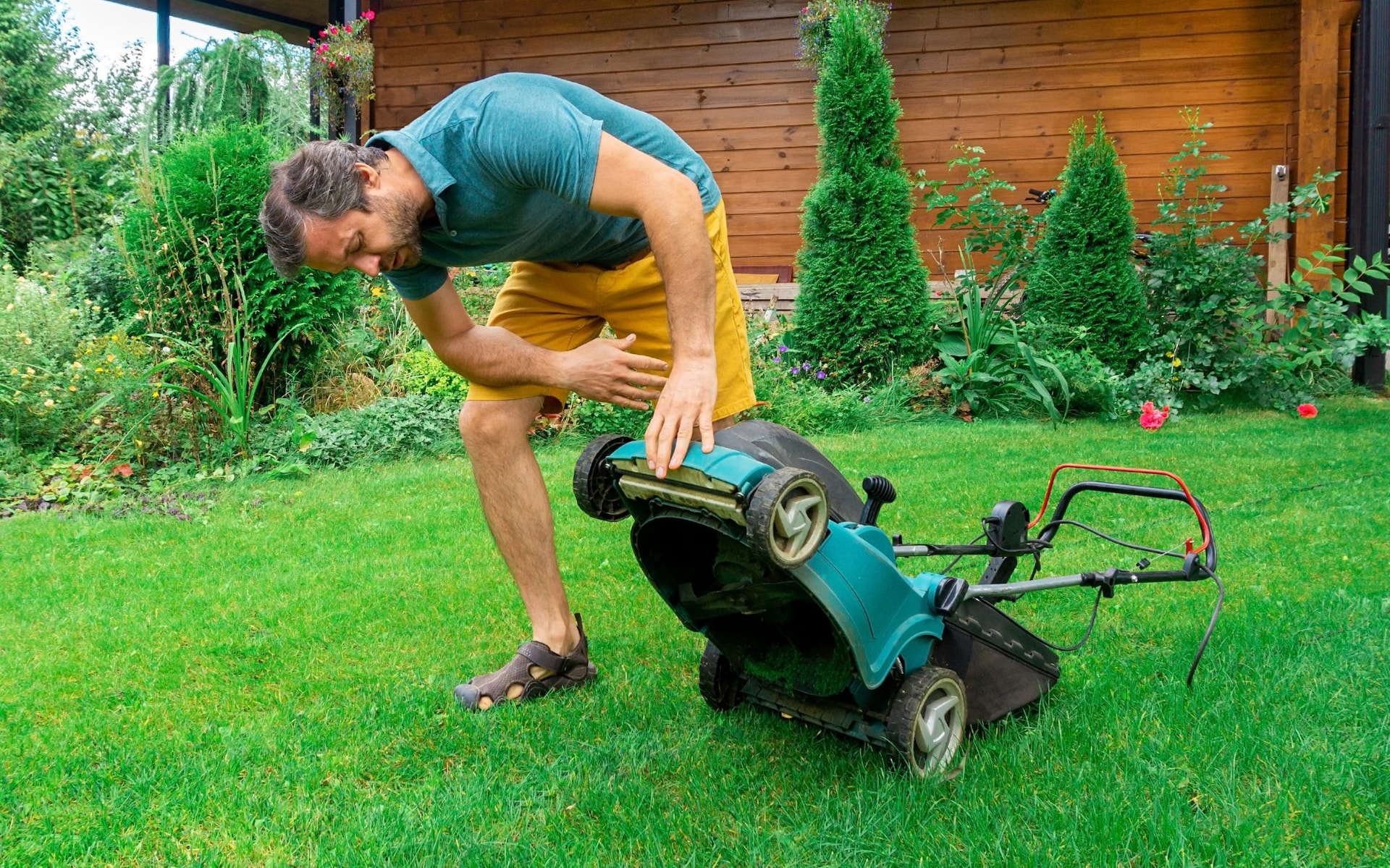
In your situation, regarding the chipped lawnmower blade, consider the following:
- Timing: You didn't inspect the mower upon its return. This makes it difficult to definitively attribute the damage to your neighbour.
- Pre-existing Damage: Is it possible the blade was already chipped before you lent it out?
- Perspective: A single chipped blade is unlikely to significantly impact the mower's performance.
Given these factors, it might be best to let the chipped blade issue go. Bringing it up now could seem accusatory and create unnecessary tension.
The Petrol Predicament
The issue of the petrol is similarly minor. Consider the cost of the fuel involved. Is it really worth jeopardising a good relationship over a small amount of petrol?
- Inconvenience vs. Cost: While it's irritating to find the mower empty, the cost of topping it up is minimal.
- Reciprocity: Think about the times your neighbour has helped you out – taking in deliveries, watering your garden, etc. These acts of kindness have a value that far exceeds the price of a bit of petrol.
Maintaining Perspective: The Value of Good Neighbours
Good neighbourly relations are invaluable. Consider the potential consequences of a falling out:
- Daily Life: Disputes can poison everyday interactions and create a tense atmosphere.
- Long-Term Impact: A single disagreement can damage a relationship beyond repair.
Strive to maintain a positive and friendly relationship with your neighbours. It makes life much more pleasant.
Strategies for Future Lending
While letting these specific incidents pass might be the best course of action, consider implementing some strategies to prevent similar situations in the future:
- Clear Communication: When lending items, clearly communicate your expectations regarding their return. Politely mention that you would appreciate it if they could refill the petrol tank after use.
- Inspection Upon Return: Make it a habit to quickly inspect borrowed items when they are returned. This allows you to address any issues promptly and avoid ambiguity later on. A simple "Everything look okay?" can suffice.
- Consider Alternatives: If you're uncomfortable lending certain items, consider suggesting alternative solutions. For example, you could offer to mow your neighbour's lawn yourself occasionally.
- Written Agreements (Rarely Necessary): In extreme cases, for very expensive or delicate items, you could consider a written agreement outlining responsibilities. However, this is generally overkill for everyday items and can create an overly formal and potentially strained relationship.
The Art of Gentle Reminders
If you do need to remind your neighbour about something, do so in a friendly and non-confrontational manner. A casual, light-hearted approach is often the most effective:
- Humour: Use humour to diffuse potential tension.
- Positive Framing: Frame your request in a positive way. For example, instead of saying "You forgot to refill the petrol," try "Just a quick reminder about the petrol for next time."
- Timing: Choose a suitable time to speak with your neighbour. Avoid approaching them when they are busy or stressed.
Focus on the Bigger Picture
Ultimately, maintaining good neighbourly relations is about focusing on the bigger picture. Small inconveniences are inevitable, but they shouldn't be allowed to jeopardise a valuable and mutually beneficial relationship. By communicating clearly, maintaining perspective, and approaching issues with diplomacy, you can ensure that your neighbourly interactions remain positive and harmonious. Remember, a little understanding and flexibility can go a long way in fostering a strong and supportive community.
Post a Comment