
A New Era for Marvel and DC
The debate between Marvel and DC has long been a topic of passionate discussion among fans. However, the comparison often lacks clarity because both studios have produced exceptional content across various media. From comics to television and films, each company has showcased remarkable storytelling and creative brilliance, while also facing their share of challenges. The diversity within each franchise makes a broad comparison difficult, as fans of one universe can easily find something that resonates with them in the other.
In July 2025, both Marvel Studios and DC Studios are set to release new films that offer an intriguing opportunity for closer examination. These releases, Fantastic Four: First Steps from Marvel and Superman from DC, highlight different approaches to storytelling, particularly in how they introduce their iconic characters. Both films choose to bypass traditional origin stories, instead placing audiences directly into the lives of these heroes. This approach is logical given the cultural significance of these characters, but it results in vastly different outcomes.
Story vs. Plot: A Tale of Two Films
While Superman presents a well-defined narrative where character motivations and actions drive the story forward, Fantastic Four: First Steps feels more like a series of events without much depth. The film focuses heavily on plot, often at the expense of character development. The personalities and aspirations of the main characters are not fully explored, leading to a sense of detachment from the audience.
The screenplay, written by Josh Friedman, Eric Pearson, Jeff Kaplan, and Ian Springer, follows the Fantastic Four as they prepare for the arrival of a new family member. The film begins with Reed Richards and Sue Storm expecting a baby, which sets off a chain of events that leads to a confrontation with the cosmic entity Galactus. While the plot points are based on the original comics, the execution feels artificial and shallow. The introduction of the baby is more of a plot device than a meaningful exploration of the characters' lives.
Character Development and Screen Time
The lack of character development is particularly evident in the roles of Johnny Storm and Ben Grimm. Johnny, known for his charisma, is given a PG-rated crush on Silver Surfer, which feels out of place and underdeveloped. Meanwhile, Ben Grimm's screen time is minimal, focusing on mundane activities rather than exploring his emotional depth. This neglect leaves the audience feeling disconnected from the characters, despite the strong performances from the cast.
The chemistry among the actors is undeniable, but the script fails to capitalize on this. The ensemble deserves better material that delves into what makes them unique individually and together. Instead, the film relies on flat, apocalyptic plotting that doesn’t engage the audience effectively.
Visuals and Aesthetic Appeal
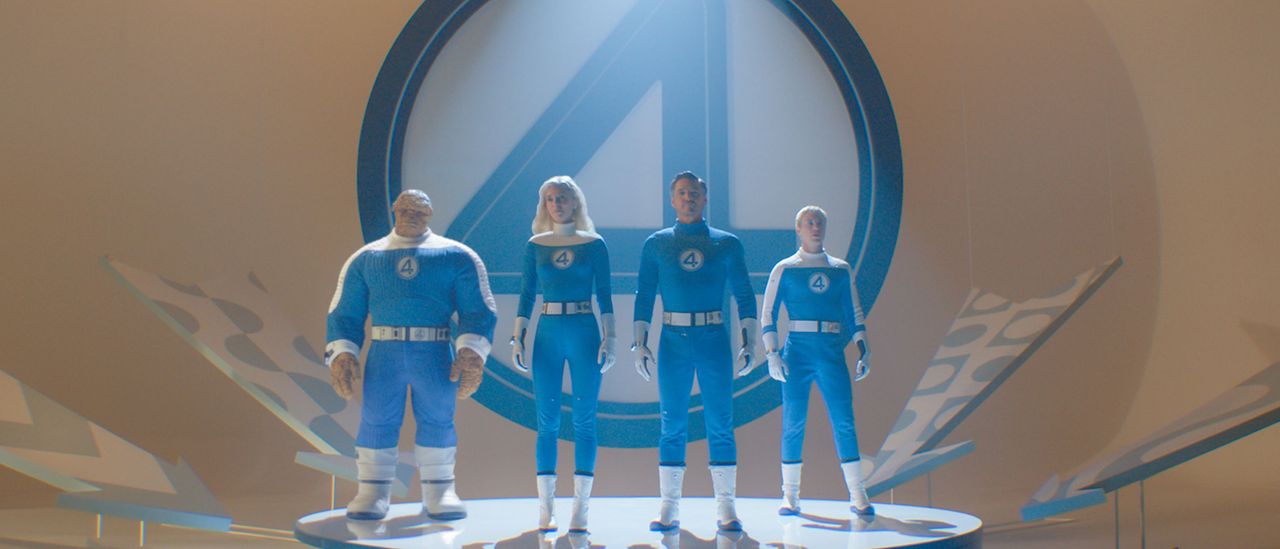
Despite its shortcomings in storytelling, Fantastic Four: First Steps shines in its visual presentation. The film’s aesthetic is a standout feature, with a retrofuturism style that adds a unique charm. The cinematography, editing, costuming, and production design work together to create a visually appealing world. Michael Giacchino’s score enhances the experience, adding emotional depth to the film.
However, the CGI sequences fall short, with some scenes resembling video game cutscenes. This detracts from the overall experience, especially when compared to the film’s visual creativity. The look of the film is its strongest asset, but it remains underutilized in terms of showcasing the characters’ abilities and creating memorable moments.
A Missed Opportunity
The release of Fantastic Four: First Steps comes with high expectations, especially after the Disney/Fox merger in 2019. Fans hoped for a fresh take on the beloved superhero group, but the film ultimately falls short. While the visuals are impressive, the lack of depth and character development make it feel unsatisfying.
In contrast, Superman offers a more cohesive narrative that explores the complexities of its characters. The film’s focus on story and character motivation provides a more engaging experience for the audience. As both Marvel and DC continue to expand their universes, the need for thoughtful storytelling becomes increasingly important. The future of these franchises depends on their ability to balance plot with meaningful character development.
Post a Comment