
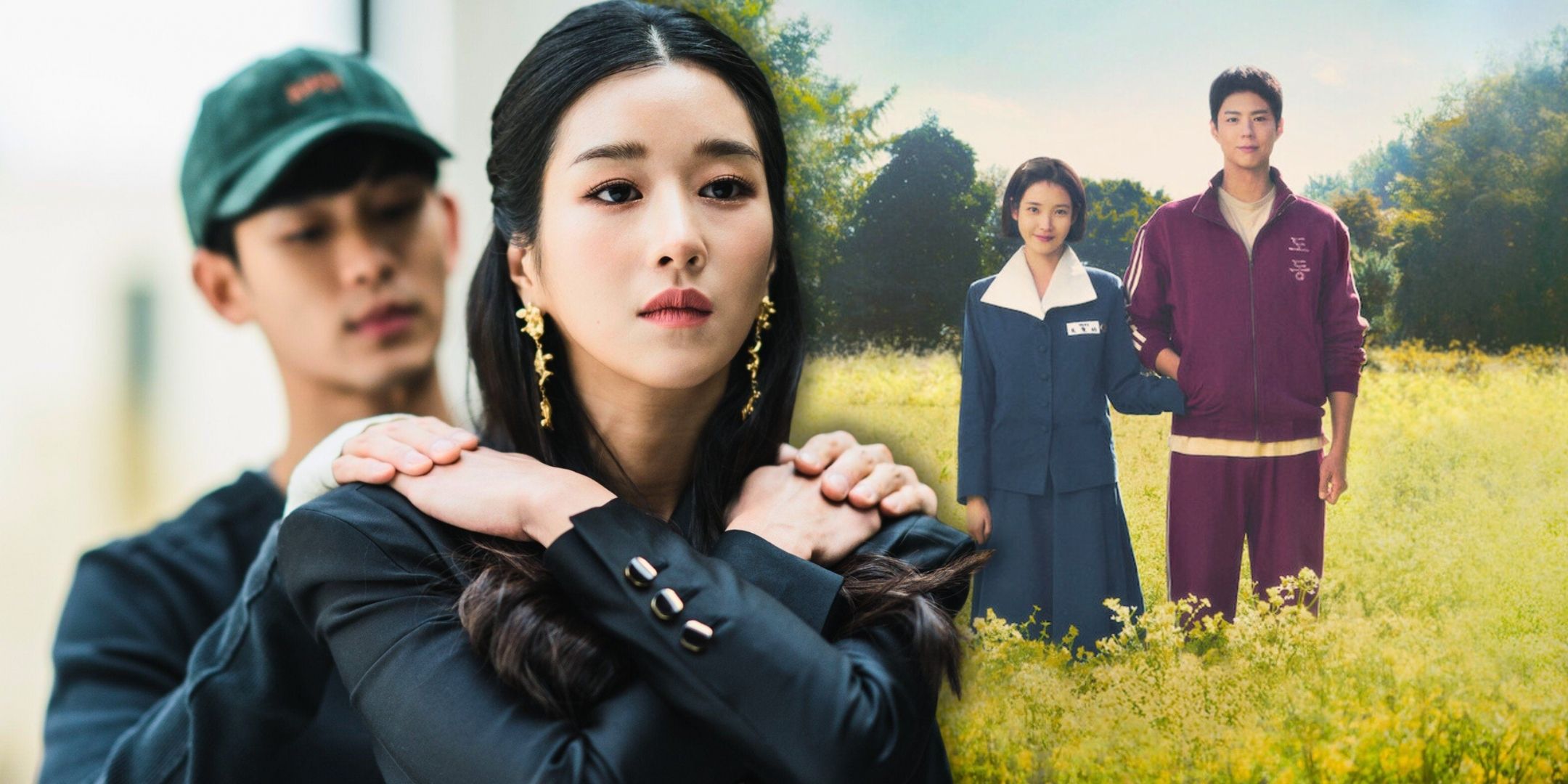
The Shared Tropes of Anime and K-Dramas
Anime and Korean dramas may exist in different worlds, but they both have a deep-rooted love for common storytelling tropes. Whether it's a classic love triangle or complex family dynamics, these two mediums often explore similar themes like romance, friendship, and character archetypes. While there's no direct comparison between them, they frequently share a similar narrative direction when it comes to their storytelling techniques.
However, it’s fair to say that K-dramas often outshine anime in their approach to character-driven storytelling. While anime tends to rely on surface-level use of familiar elements, K-dramas take a more nuanced and in-depth approach, giving these tropes a fresh perspective.
Love Triangles: A Tale of Two Approaches
Love triangles are a staple in many anime stories, often serving as the central theme in rom-coms. They provide an entertaining way to divide the audience, with fans rooting for their favorite couple. However, this trope is often exaggerated in anime, with indecisiveness and melodrama stretching the plot too thin.
In contrast, K-dramas take a more layered approach to complicated relationships. Instead of relying on unrealistic scenarios, they use love triangles to explore the emotional depth of characters. These relationships often serve as a platform to reveal backstories and rivalries, making the story more engaging and meaningful.
Accidental Intimacy: A Different Emotional Tone
Intimacy in anime is often used as fan service, with heartwarming moments designed to elicit laughter or romantic tension. While these scenes can be charming, they are frequently played for laughs rather than serving as a meaningful connection between characters.
On the other hand, K-dramas treat accidental intimacy as a more emotional and natural occurrence. Even if these moments feel cheesy at times, they are balanced with authenticity and realism. When a girl accidentally falls into a guy’s arms, it often carries narrative weight rather than being dismissed as comic relief.
Cold Male Leads: A Shift in Development
Cold male leads in anime are often emotionally unavailable and remain that way throughout the story. While this archetype is lovable, it lacks substantial development. These characters often treat the female lead coldly due to past trauma, but rarely undergo significant emotional growth.
K-dramas, however, tend to show more transformation in these characters. The arrogant hero usually taps into his softer side by the end of the story, leading to genuine character growth. This not only makes the romance more compelling but also allows viewers to witness real emotional development.
The Popular Character Falling for the Unpopular One
The trope of a popular, wealthy character falling for an unpopular, socially awkward one is common in both anime and K-dramas. However, in anime, this dynamic often lacks substance, relying on sudden moments of affection that feel superficial.
In K-dramas, this trope is more deeply explored. The relationship between the rich and the unpopular character often drives the plot and character growth. It becomes a tool for building genuine chemistry and mutual respect, rather than just infatuation.
Social Segregation: Simplified vs. Complex
Anime often oversimplifies social dynamics, using overused stereotypes to portray wealth and class differences. Characters who face financial or social struggles are often shown in a monotonous way, with their situations resolving too quickly.
K-dramas, on the other hand, delve deeper into these issues, exploring social segregation alongside other themes like family, romance, and personal struggle. Bullying and social injustice are portrayed with more nuance and emotional depth.
High School Stories: Lightness and Depth
High school settings in anime are often used as a backdrop for romance, slice-of-life, or action fantasy. However, these settings rarely add much depth beyond their physical presence.
K-dramas, on the other hand, use high school stories to explore serious issues like mental health, academic pressure, bullying, and identity crises. These stories often start with lighthearted banter but gradually reveal deeper emotional undertones, offering a more realistic portrayal of adolescence.
Glow-Up Sequences: Magical vs. Earned
Glow-ups are a key element in coming-of-age stories, showing a character’s transformation. In anime, these transformations often come off as magical, with characters changing overnight without any real buildup.
K-dramas, however, focus on emotional growth rather than just aesthetic changes. These transformations are earned through positive experiences, symbolizing individuality and empowerment. They feel more authentic and meaningful.
Toxic Family Dynamics: Realism Over Exaggeration
Toxic family dynamics are common in both anime and K-dramas. However, in anime, these relationships are often exaggerated, with evil stepmothers or neglectful parents portrayed in a highly dramatic manner.
K-dramas handle these dynamics with more realism and humility. They show that even within toxic relationships, there are always two sides to a story. This approach adds depth and makes the characters more relatable.
Harems: Believability and Realism
Harem situations in anime are often unrealistic, with average-looking characters becoming the center of attention for multiple love interests. These scenarios lack emotional depth and reasoning.
K-dramas, however, handle harems more cleverly, allowing each love interest to build a case for their affection. These relationships feel more relatable and realistic, making the harem dynamic more enjoyable.
Conclusive Endings: The Satisfaction of a Happy Ending
One of the most disappointing aspects of anime is its tendency to leave highly anticipated romances inconclusive. Open-ended conclusions often fail to explain whether the characters end up together.
K-dramas, on the other hand, take happy endings seriously. Almost every character receives closure about their potential love interest, with the main couple usually ending up together. This provides a sense of satisfaction that few other tropes can match.
Post a Comment