
The Ultimate Guide to Starting with Spider-Man
Spider-Man is arguably the superhero with the most extensive library in Marvel's universe. As one of the first and most popular characters, he has a rich history that spans over six decades. For longtime fans, this means an endless supply of stories to explore. However, for newcomers, the sheer volume of material can be overwhelming. This guide offers some essential entry points to help new readers dive into the world of Spider-Man.
The Original Ultimate Spider-Man (2000-2009)
Written by Brian Michael Bendis with art by Mark Bagley (and Stuart Immonen from issue #113–133), the original Ultimate Spider-Man series was part of the Ultimate Universe (Earth-1610). It served as a fresh take on the character, allowing Marvel to experiment with classic heroes without disrupting the main continuity of Earth-616. The reboot updated Spider-Man’s origins and supporting cast for modern times, making it a great starting point for new readers.
Volume 1 introduces Peter Parker's origin story in a slower, more meaningful way. It deepens his relationship with Uncle Ben and sets up emotional stakes that resonate throughout the series. Readers will find themselves both captivated and emotionally invested in the character, eager to continue exploring his journey.
"The Night Gwen Stacy Died" – A Defining Moment
The story arc Amazing Spider-Man #121–122, written by Gerry Conway and illustrated by Gil Kane, is one of the most iconic in Spider-Man’s history. Known as “The Night Gwen Stacy Died,” this two-part story is often included in graphic novel collections. It marks a turning point for Spider-Man, as failing to save Gwen Stacy becomes a driving force behind his actions as a hero.
Gwen’s death haunts Peter Parker and influences his decisions as a superhero. While some may see revisiting her memory as cliché, it remains a powerful motivator for Peter. Understanding this event is crucial for grasping why Spider-Man is the hero he is today.
Back in Black and "One More Day"
The Amazing Spider-Man #539–543, written by J. Michael Straczynski with art by Ron Garney, introduces two intertwined storylines. The first follows Peter Parker after his secret identity is revealed, leading to a hit on him and a near-death experience for Aunt May. Driven by anger, he dons the black suit again, showing that even without a symbiote, Spider-Man can lose his moral compass.
The second storyline concludes with the controversial “One More Day” arc, which resets the universe. Though it has a bad reputation, understanding its impact helps readers appreciate the broader narrative of Spider-Man’s struggles and growth.
Brand New Day – A Fresh Start
Following “One More Day,” the Brand New Day arc (issues #546–564) gives Spider-Man a new beginning. With his marriage erased from history, the series provides a fresh start for both the character and fans. This run introduced new ideas, characters, and themes that remain relevant today.
Despite initial skepticism about reboots, Brand New Day was well-received and marked a positive shift in Spider-Man’s storytelling. It allowed readers to jump in at any point and still enjoy the character’s evolution.
The Superior Spider-Man – A New Voice
Written by Dan Slott with art by Ryan Stegman, Humberto Ramos, and Giuseppe Camuncoli, The Superior Spider-Man is one of the most emotionally resonant Spider-Man stories in recent years. When Doctor Octopus takes over Peter Parker’s body, the story explores what it means to be Spider-Man through Otto Octavius’ perspective.
Initially considered for cancellation, the storyline gained popularity and led to long-term consequences for both characters. It also introduced Parker Industries, adding a new layer to Spider-Man’s world.
The Spider-Verse – Expanding the Multiverse
The 2014 Spider-Verse event, written by Dan Slott with art by Olivier Coipel and Giuseppe Camuncoli, brought the multiverse into the spotlight for Spider-Man. It established the concept of the Spider-Family and introduced elements like Spider-Totems.
This event not only became a critical success but also inspired spinoffs and adaptations across different media. It addressed a common challenge in superhero storytelling, offering a fresh perspective while leaving a lasting impression on fans.
Spider-Man: Blue – A Nostalgic Look Back
Spider-Man: Blue, a six-issue miniseries written by Jeph Loeb with art by Tim Sale, is a nostalgic look at Spider-Man’s earliest adventures. It serves as a modern reinterpretation of the character’s early years, capturing the themes and ideas that would later define his journey.
This series is ideal for readers who want a glimpse into the past while still enjoying a contemporary take on the character.
Kraven’s Last Hunt – A Dark and Cinematic Tale
Written by J.M. DeMatteis with art by Mike Zeck, Kraven’s Last Hunt is one of the darkest and most cinematic Spider-Man stories. Focusing on Kraven the Hunter, the arc explores themes of depression and self-destruction, making it stand out from other Spider-Man tales.
Originally conceived as a Batman/Joker story, it was adapted for Marvel. Its mature tone and gripping action make it a standout in the Spider-Man canon.
Spider-Man: Life Story – A Complete Journey
Spider-Man: Life Story, a six-issue miniseries written by Chip Zdarsky with art by Mark Bagley, follows Peter Parker from childhood to old age. It weaves together major events in his life, providing a cohesive and ambitious retelling of his journey.
Filled with emotional moments, this series is perfect for completionists who want to see Spider-Man’s entire story in one place.
The New Ultimate Spider-Man – A Modern Take
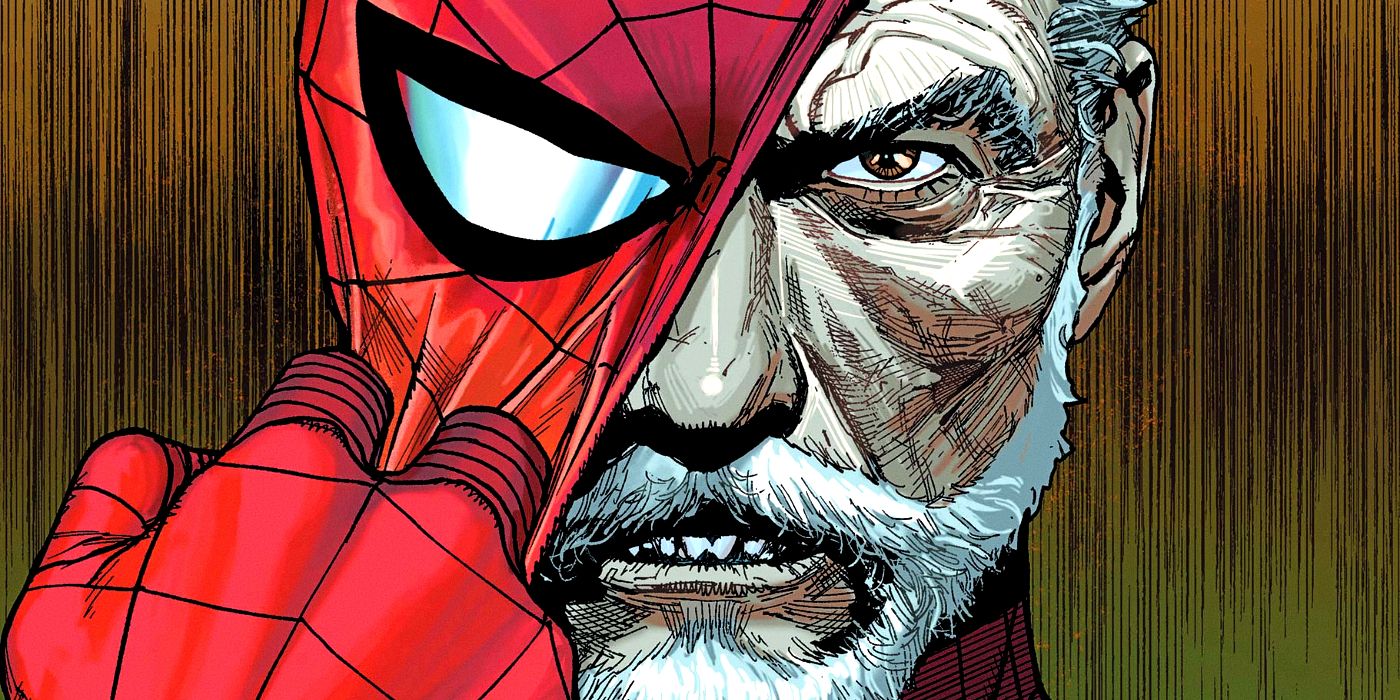
The latest iteration of Ultimate Spider-Man, written by Jonathan Hickman with art by Marco Checchetto, introduces a new version of Peter Parker. In this timeline, he is a grown man married to Mary-Jane Watson with children before gaining his powers.
This bold reimagining offers a fresh perspective on a character known for being a teenage hero. Fans have embraced this new direction, finding it both exciting and refreshing.
Post a Comment