
Exploring Potential Villains in My Hero Academia
My Hero Academia has captivated audiences with its rich storytelling, dynamic characters, and intense action sequences. As the series comes to a close, fans are reflecting on the journey of Izuku Midoriya, also known as Deku, and the many characters who shaped his path. While the main storyline is compelling, there are several side characters who could have played significant roles as villains, adding new layers of conflict and depth to the narrative.
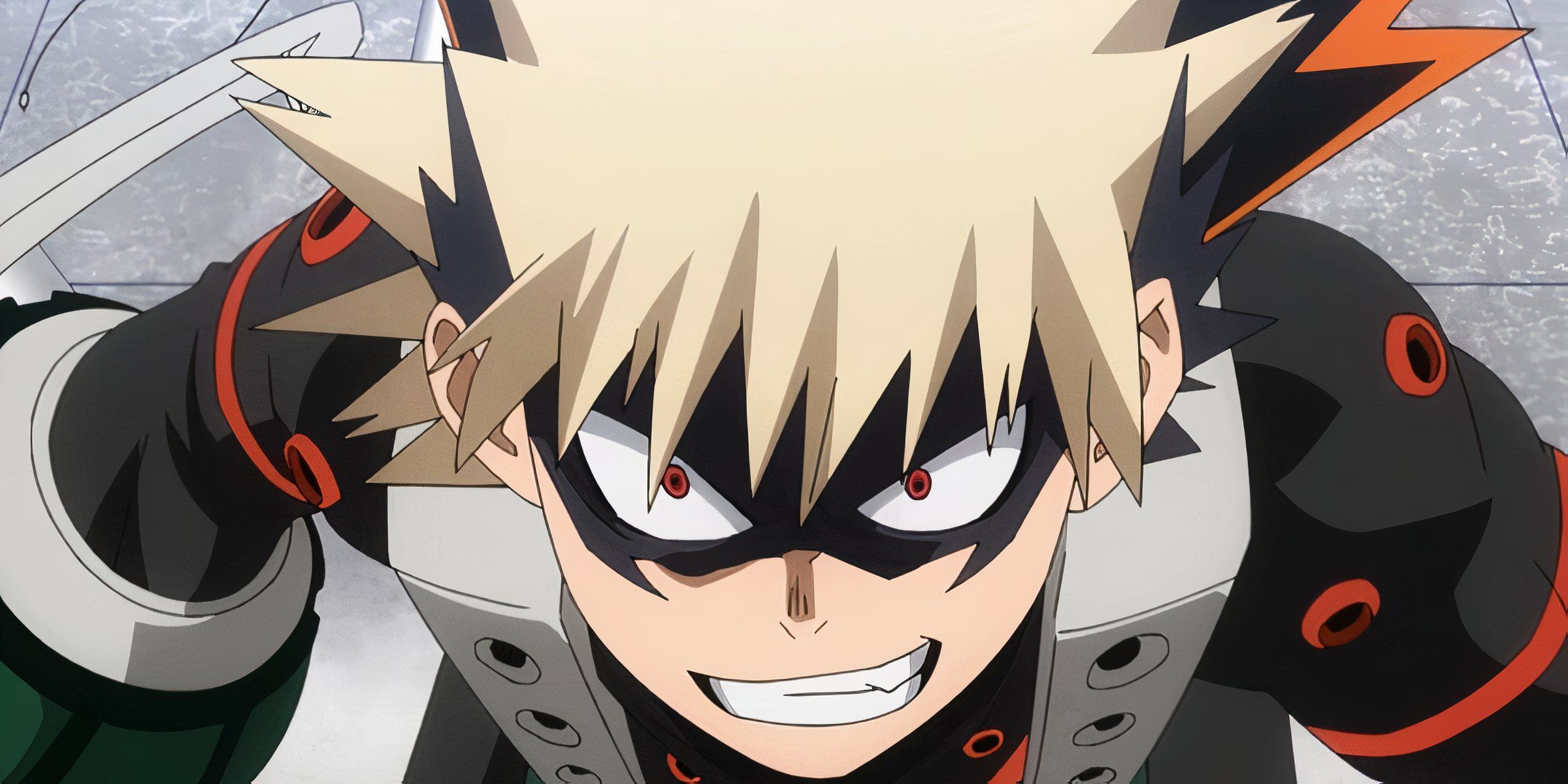
Bakugo: The Wild Lone Wolf
One of the most intriguing characters with potential for a villainous turn is Katsuki Bakugo. Known for his explosive Quirk and fiery personality, Bakugo served as a deuteragonist and rival to Deku. His hot-headed nature and destructive tendencies make him a natural fit for a more sinister role. During the League of Villains arc, Bakugo was offered a chance to join their ranks, which could have led to a dramatically different storyline. A villainous Bakugo would have posed an immense challenge for Deku, potentially reshaping the course of the series.
Nighthide: A Power Built For Control
Hitoshi Shinso, also known as Nighthide, possesses a mind-affecting Quirk that makes him highly suited for certain corporate-level jobs. However, he chose to become a hero, joining the UA Academy under Aizawa's guidance. If Shinso had instead aligned with the Meta Liberation Army, he could have become a formidable foe for Class 1-A. His tactical skills and ability to manipulate minds would have made him a dangerous antagonist, capable of turning the tables on both heroes and villains.
Nighteye: The All-Seeing Eye
Nighteye, introduced as All Might's former sidekick, has a Precognition Quirk that allows him to foresee future events. His loyalty to All Might was unwavering, but a more volatile split could have led him down a darker path. Instead of searching for All Might's successor, Nighteye might have sought to prove his own capabilities, challenging the status quo. With his foresight, he could have been one of the most dangerous villains in the series, rivaling even All For One.
Endeavor: The Flame Of Despair
Endeavor's complex relationship with the world and fans is a key aspect of his character. Initially portrayed as overzealous and egocentric, he later transformed into a calm and reserved hero. However, his abusive history and delusions of grandeur could have led him down a darker path. Had Endeavor lost himself to his limitations, he could have become an unmatched villain, posing a serious threat to the heroes of My Hero Academia.
Vlad King: The Blood Hero
Vlad King, a homeroom teacher with a cold demeanor, possesses a Quirk that allows him to control and manipulate blood. While he doesn't receive much screen time, his menacing presence suggests potential for a more impactful role. A villainous Vlad King could have added depth to the series, potentially enhancing Toga's storyline with a more traditional vampire trope.
Gang Orca: The Aqua Hero
Gang Orca, a respected hero ranked number twelve, has a temper and a history of delinquency. His portrayal as an intense individual makes him a fascinating candidate for a villainous role. Leading a crew of pirates could have created an interesting opponent for Class 1-A or a valuable tool for the League of Villains, adding a new dimension to the series' conflicts.
Gale Force: A Sweeping Force
Inasa Yoarashi, known as Gale Force, has a powerful Quirk that allows him to manipulate wind. His ego and jealousy towards Shoto led to a one-sided conflict, highlighting his potential for a more sinister role. If Inasa had joined the League of Villains to seek revenge, it could have resulted in a more dominant fight than the recurring battles in the Endeavor Agency arc.
Phantom Thief: The Copy Hero
Neito Monoma, known as Phantom Thief, has a unique Quirk that allows him to copy specific abilities from others. His sinister energy and hostility towards classmates suggest a more suitable role as a villain. A villainous Monoma could have been a decisive factor in multiple conflicts, adding a new layer of complexity to the series.
Post a Comment