
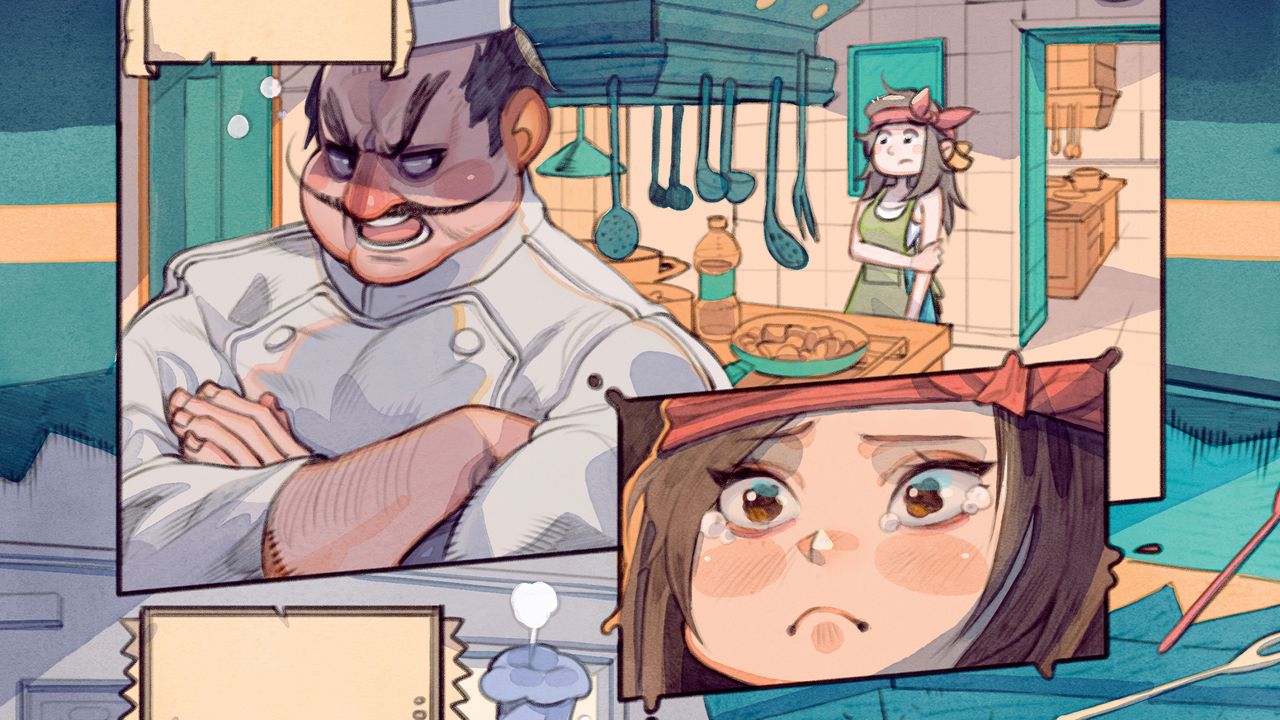
Design Unique Characters
Creating memorable characters is a crucial aspect of comic book storytelling. A character’s distinctiveness plays a significant role in how readers perceive and connect with them. It's essential to focus on their shape, silhouette, and mannerisms to make them stand out from the rest of the cast. Avoiding static poses and giving characters personality early on can help establish their memorability.
Incorporating small actions, expressions, or dialogues into a story can be more impactful than complex plot points. The depth of a character comes from how they overcome their struggles and grow throughout the narrative. This relatability helps readers form a stronger connection with the characters.
Find References
Utilizing references is an effective way to bring authenticity to a comic. Whether through sketching objects in person, taking photos, or searching online, gathering visual references ensures accuracy and detail in the artwork. This practice is especially useful when dealing with unfamiliar subjects.
Have a Laugh
Adding humor to a comic can provide a refreshing contrast to serious or intense moments. While worldbuilding and character connections are important, incorporating comedy can create a natural rhythm within the story. For beginners, working on short comedic strips can be a fun and challenging exercise that enhances their skills.
Try Different Styles for Varied Reactions
An artist's style is deeply personal, but it can also be a limitation when working on stories that don’t align with it. For instance, a vibrant style might not suit a horror story, while delicate line work may struggle to convey energy in an action scene. Adapting one's style to fit the story ensures the audience experiences the intended emotions effectively.
Vary Panel Shapes
Panel shapes significantly influence how a reader interprets a comic. Traditional formats have their place, but digital platforms offer new ways to experiment with panel layouts. Using different panel shapes can enhance the storytelling experience, whether it's creating an action-packed feel or emphasizing dialogue-driven scenes.
Use Color Science
Color has a powerful impact on the perception of a scene. Just like a soundtrack in a movie, color choices can alter the mood and atmosphere. Understanding color theory and its psychological effects allows artists to choose palettes that best match the tone of a scene. Experimenting with different colors can add depth and emotional resonance to the artwork.
Use Traditional Textures for a Classic Feel
While digital art offers precision and polish, traditional media brings a unique texture and organic feel. Combining both approaches can result in a compelling blend of styles. Adding textures or using textured brushes in digital work can mimic the qualities of traditional media without sacrificing the benefits of digital tools.
Don't Underestimate the Power of Lettering and Speech Balloons
Lettering and speech balloons are essential elements in comics. They contribute to the overall aesthetic and help convey the story. Choosing between handmade balloons, perfect shapes, or fonts can influence the reader's expectations. There are no strict rules, and investing time in selecting the right style can greatly enhance the storytelling.
Test Out Your Comic Concept
Before diving into a long and complex comic, it's wise to test the concept with a short, poignant scene. This approach serves as an elevator pitch for the idea, allowing creators to receive feedback and refine their vision. Creating something readable is crucial when seeking input from others.
Be Yourself
Finding one's unique style is a personal journey. Embracing individuality and staying true to oneself can lead to authentic and meaningful work. Drawing inspiration from others is valuable, but self-reflection and exploration are equally important in developing a distinctive artistic voice.
Keep Updated
Staying connected with the comic community and keeping up with trends can inspire new ideas and perspectives. Engaging with other artists, exploring new hobbies, or traveling can enrich an artist's creative process and make their work more relatable.
Keep Your Head Up
Not every piece of work will be well-received, and that's okay. Learning from underwhelming experiences can lead to growth and improvement. Understanding what went wrong and using that knowledge to refine future projects is essential for becoming a skilled comic artist.
Post a Comment