
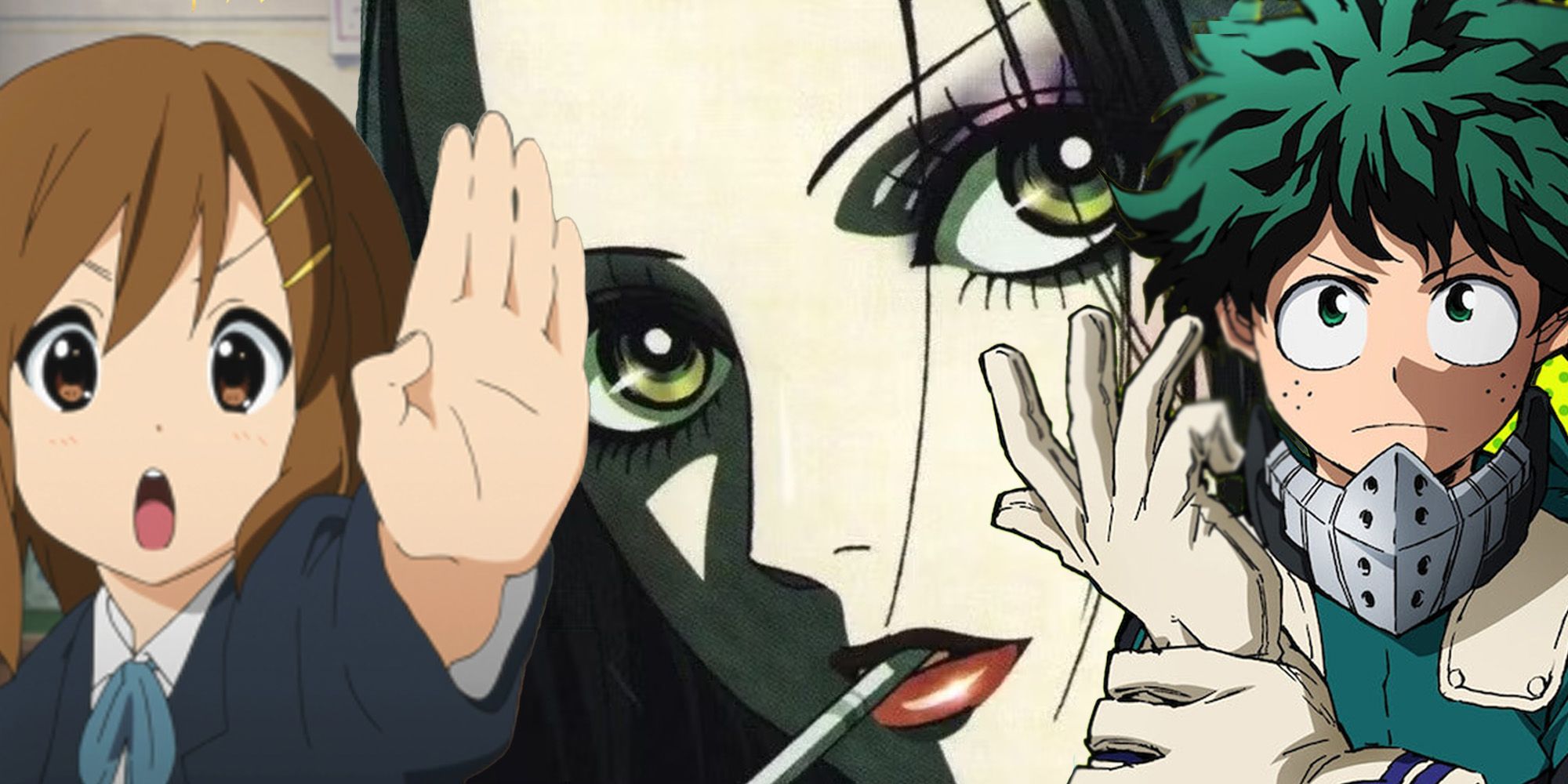
The Most Iconic Anime Art Styles and Their Impact
Anime is a vibrant and diverse form of storytelling, with its art styles playing a crucial role in capturing the attention of viewers. These visual elements not only define the aesthetic of an anime but also provide insight into the narrative and themes being explored. From bold and exaggerated designs to more subdued and realistic approaches, each style has its own unique appeal and contributes to the overall experience of watching an anime.
CGI Anime: A Blend of 3D and 2D
While CGI (Computer-Generated Imagery) anime can sometimes be controversial, when executed well, it offers a fresh and dynamic visual experience. This style combines 3D animation with traditional 2D techniques, allowing for greater flexibility in movement and expression. One standout example is Land of the Lustrous, where the gemstone characters are brought to life with stunning 3D effects that highlight their beauty and fragility. Another notable series, Dorohedoro, uses a mix of 2D and 3D animation to create a unique and visually striking style that enhances the story's surreal tone.
Despite its potential, CGI anime often faces criticism for looking less refined than hand-drawn 2D animation. However, there are many examples of high-quality CGI anime that have proven the style can be just as compelling. In some cases, such as idol anime like Love Live!, 3D animation is used to bring dance sequences to life in a way that would be difficult to achieve with 2D alone.
Watercolor: A Refreshing Approach
Watercolor anime brings a soft and calming aesthetic to the screen. While not commonly used as the primary style, watercolor is often incorporated into background designs to add a sense of warmth and intimacy. Series like The Rolling Girls use watercolor backgrounds to create a more personal and immersive experience. Full-length watercolor anime, such as Ping Pong the Animation and The Stories of Girls Who Couldn’t Become Magicians, offer a refreshing contrast to the typically bright and bold colors found in most anime.
This style is particularly appealing to viewers who appreciate subtlety and nuance in visual storytelling. Its gentle hues and fluid textures make for a visually soothing experience, offering a different perspective on the world of anime.
Josei: A Mature Take on Shojo
Josei anime is often described as the adult version of shojo, focusing on more complex and realistic themes. Unlike the youthful and idealized portrayals of romance and relationships in shojo, josei anime delves into the challenges of adult life, including workplace dynamics, career struggles, and emotional complexities. The art style in these shows tends to be more muted, with realistic character proportions and natural hair colors that reflect the maturity of the narrative.
Series like Wotakoi: Love is Hard For Otaku exemplify this style, showcasing relatable characters and situations that resonate with adult audiences. The focus on realistic storytelling and character development makes josei anime a compelling choice for viewers seeking deeper, more nuanced narratives.
Seinen: Darker Themes and Realistic Designs
Seinen anime is aimed at older audiences and often features darker, more mature themes. This genre explores complex issues such as betrayal, loss, and moral ambiguity, reflected in its art style. Characters in seinen anime tend to have more realistic proportions and subdued color palettes, contributing to the serious and introspective tone of the stories.
Examples like Parasyte: The Maxim and Delicious in Dungeon showcase the range of storytelling possible within this genre. While some seinen anime may lack the over-the-top expressions and comedic relief found in other genres, they often deliver powerful and thought-provoking narratives that challenge viewers.
Kemonomimi: Animal-Like Traits in Character Design
Kemonomimi is a popular art style that features characters with animal-like traits, such as ears, tails, and paws. This style is often associated with fantasy anime but has begun to appear in other genres as well. Popular examples include cat girls and fox spirits, with Uma Musume Pretty Derby taking a unique approach by featuring horse-girls in a racing anime.
These characters often convey emotions through their animal features, adding depth and expressiveness to their interactions. The playful and sometimes intimidating nature of kemonomimi characters makes them a distinctive and memorable part of the anime landscape.
Kodomo: Designed for Young Audiences
Kodomo anime is specifically created for children, featuring bright colors, simple designs, and educational themes. These shows often include adorable animal characters and emphasize lessons about kindness, perseverance, and friendship. The art style is typically simplistic, with large eyes and exaggerated features that appeal to younger viewers.
Series like Digimon demonstrate how kodomo anime can evolve into more complex narratives while maintaining their core appeal. The colorful and whimsical visuals help to create a welcoming and engaging environment for young audiences.
Cartoonish Style: A Western-Inspired Approach
Cartoonish anime draws inspiration from Western animation, characterized by bold lines, exaggerated expressions, and vibrant color schemes. This style often features fast-paced movements and unconventional physics, creating a lively and entertaining viewing experience. Shows like Devilman Crybaby and The Tatami Galaxy showcase the creative freedom that comes with this style, allowing for unique and expressive storytelling.
The emphasis on design and visual flair makes cartoonish anime stand out, offering a fresh take on traditional anime aesthetics.
Science Saru: A Studio Known for Distinctive Visuals
Science Saru is a studio renowned for its unique and visually striking approach to animation. Each of their projects feels distinct, avoiding the typical clichés found in many anime studios. From Devilman Crybaby to Dan Da Dan, their work is marked by bold color choices, intricate character designs, and a focus on realism.
The studio’s blend of hand-drawn art with "flash" animation gives their anime a dynamic and fluid feel. Director Masaaki Yuasa’s influence is evident in the surreal and imaginative style of his work, making Science Saru a standout in the industry.
Studio Trigger: A Master of Blending Styles
Studio Trigger is known for its ability to seamlessly blend different art styles, creating visually stunning and unique anime. Their work, such as Kill la Kill and Little Witch Academia, showcases a wide range of influences, from action-packed sequences to detailed character designs. Trigger’s use of saturated colors and neon hues adds to the visual impact of their anime, making them stand out in a crowded market.
Their attention to detail, especially in facial expressions and character design, ensures that each show feels fresh and original. With series like Promare and Cyberpunk: Edgerunners, Trigger continues to push the boundaries of what anime can look like.
Jojo’s Bizarre Adventure: A Unique and Divisive Style
Jojo’s Bizarre Adventure is one of the most distinctive anime in terms of its art style. Known for its iconic poses, dramatic expressions, and bold lines, this style is both recognizable and polarizing. The visual design emphasizes facial features and fashion, giving the characters a sharp and mature appearance.
While some viewers find the style too exaggerated or overly dramatic, others appreciate its uniqueness and the way it enhances the storytelling. Jojo’s Bizarre Adventure stands out in the anime world, offering a fresh and unconventional approach that has earned it a dedicated following.
Post a Comment