
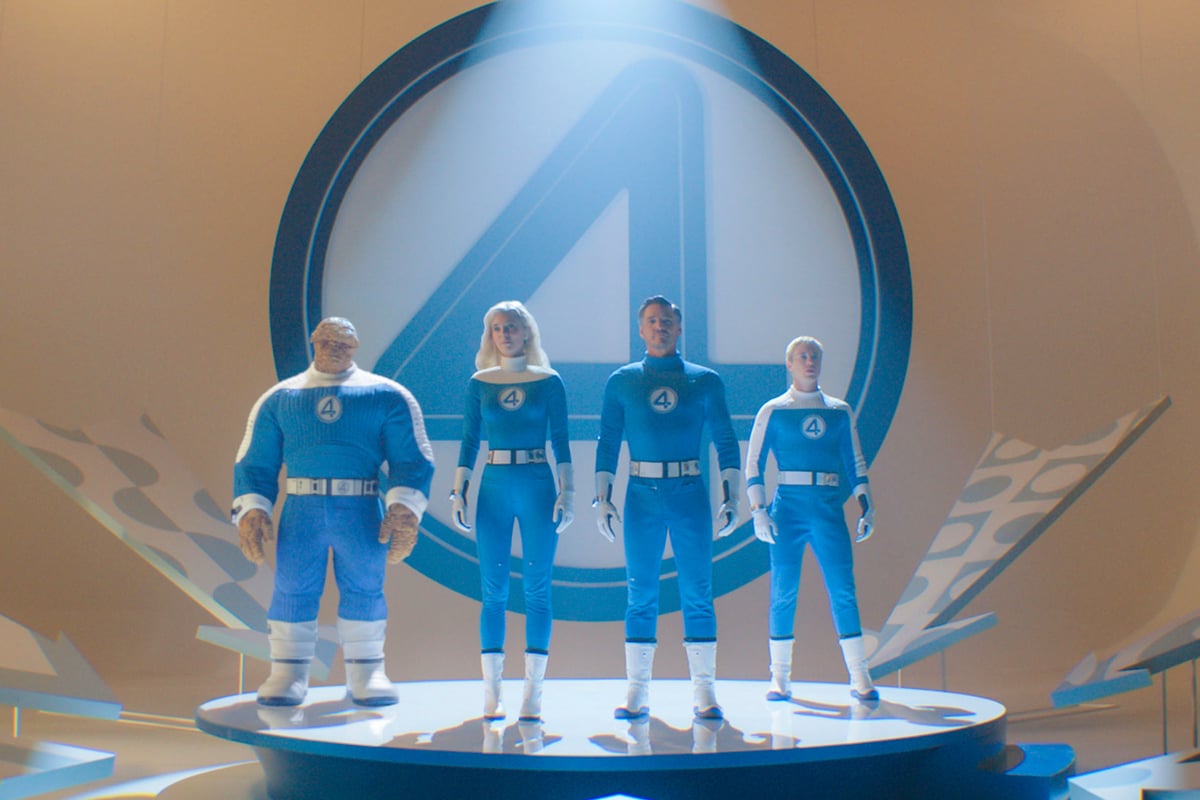
A New Era for Superhero Films
The recent release of The Fantastic Four has marked a significant shift in the superhero genre, offering a fresh and compelling take on a beloved franchise. Unlike the previous reboot of Superman, which struggled to find its footing, The Fantastic Four takes a more grounded approach, setting up a solid foundation for Marvel's future projects.
This film is set four years after the Fantastic Four's ill-fated space mission, where a cosmic incident transformed them into their respective superpowers. Reed Richards, now Mr. Fantastic, his wife Sue Storm, who became the Invisible Woman, her brother Johnny Storm as the Human Torch, and Ben Grimm as The Thing, have been using their abilities to save lives. However, the film chooses to provide a quick recap of their origin story, allowing the audience to understand their journey and the challenges they face.
One of the standout aspects of The Fantastic Four is its unique visual style. The film presents a retro-future aesthetic set in a parallel 1960s America, known as Earth-828. This world is filled with advanced technology, such as flying cars and teleportation, while still maintaining a sense of nostalgia with classic elements like vinyl records and hats. This blend of old and new creates a convincing and distinctive world that sets it apart from other superhero films.
Emotionally, The Fantastic Four delves deeper into the characters' dynamics and relationships. Unlike Superman, which seemed to focus more on spectacle than substance, this film explores the emotional weight of the characters. Storm is pregnant, and Reed is under pressure to address a new threat from space. The arrival of the Silver Surfer, Shalla-Bal, introduces a new challenge as she heralds the planet-eating Galactus. The film follows the team as they confront this threat, leading to a dramatic trip into space.
The performances by Pedro Pascal and Vanessa Kirby are particularly noteworthy. Pascal brings a sense of angst and intensity to his role as Reed, highlighting the burden of responsibility he carries. Kirby's portrayal of Sue Storm is equally compelling, showcasing her strength and determination to protect her family.
The film also raises ethical questions, prompting viewers to consider the moral dilemmas faced by the characters. The reactions of the citizens to the threat feel believable, contrasting with the unrealistic scenarios in Superman. In The Fantastic Four, people come together to support the team, showing a sense of unity and resilience.
Nostalgia plays a significant role in the film, evoking a time when America was prosperous and united. While this may not resonate with everyone, it effectively transports the audience to a different time and place, enhancing the overall experience.
Despite its strengths, The Fantastic Four is not without flaws. Joseph Quinn's portrayal of Johnny Storm is effective but lacks the iconic charm of a James Dean-like character. Ebon Moss-Bachrach delivers a solid performance as The Thing, though the film could explore more of his internal struggles. Galactus, while a decent villain, does not reach the same level as Thanos.
The film also avoids delving deeply into contemporary issues, focusing instead on the characters as statespeople and trusted figures. This choice might be seen as a cop-out, but it allows the story to remain focused on its core themes.
Overall, The Fantastic Four: First Steps is a visually stunning film with compelling performances and thought-provoking themes. It sets up Marvel's Phase Six in a satisfying way, complete with an electric post-credits scene. While it may not be perfect, it succeeds in its own right, offering a refreshing take on the superhero genre.
Post a Comment