
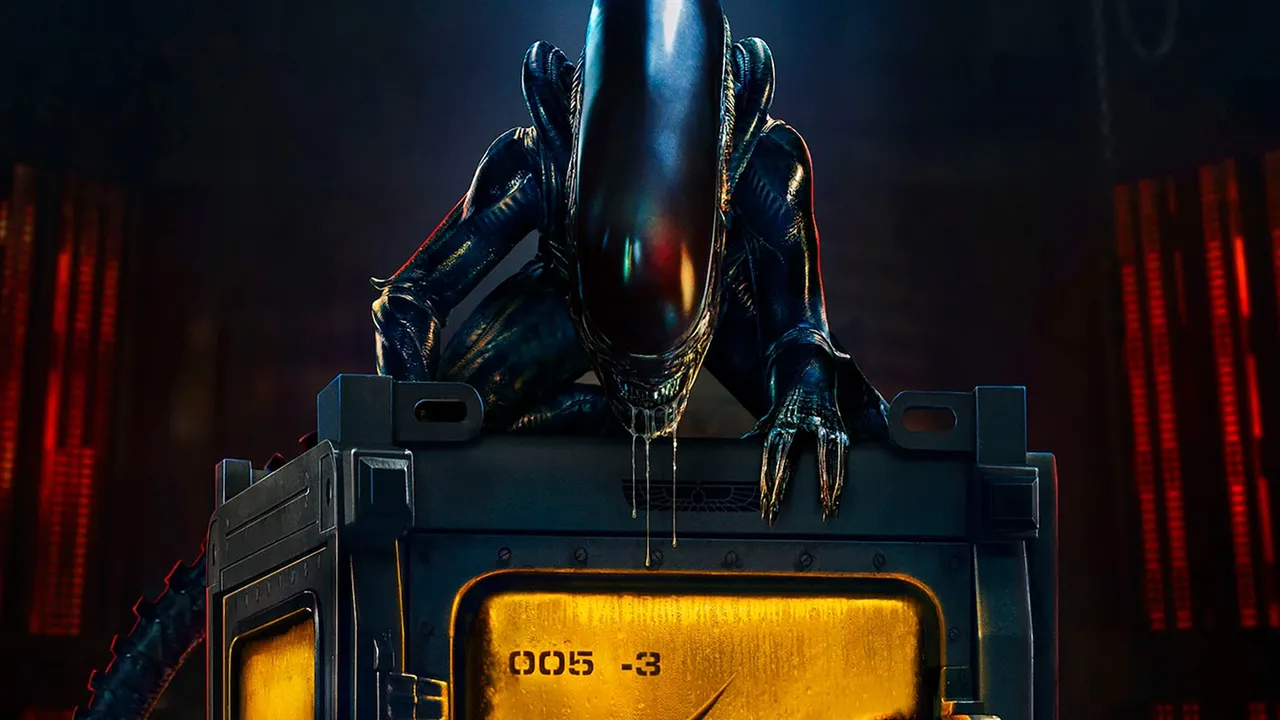
For the first time since its inception in 1979, the Alien franchise is expanding onto the small screen with a brand-new television series, slated to arrive this August, and fans have every reason to be excited.
FX’s Alien: Earth is set to launch on streaming platforms on 13 August 2025, available on Disney+ in the UK and Hulu in the US. Early glimpses suggest a high-quality production. The eight-part series unfolds in 2120, placing it before the events of the original Alien film, while also acknowledging the narrative threads introduced in Prometheus and Covenant.
Reportedly boasting a substantial budget, a stellar cast, and an ambitious storyline, Alien: Earth has the potential to be a standout addition to the franchise.
In anticipation of the series premiere, revisit these essential films that hold significant relevance to the expanded Alien universe:
Alien (1979)
Ridley Scott’s Alien is a groundbreaking masterpiece of cinematic horror and science fiction. Released in 1979, this deep-space thriller established what would become one of the most significant sci-fi franchises in film history, rivalling even Star Wars.
The film centres on the crew of the Nostromo, a commercial mining vessel, as they respond to a distress signal emanating from a remote planet. Their investigation leads them to a deadly encounter with a relentless alien life form.
Alien is celebrated for its claustrophobic atmosphere, innovative special effects, and Sigourney Weaver’s iconic portrayal of Ellen Ripley. The film’s tense and often terrifying sequences are enhanced by the unforgettable creature design of H.R. Giger.
Alien remains essential viewing, influencing dark sci-fi, comic books, video games, and now, official television series. It set a new standard for the genre and continues to captivate audiences with its chilling exploration of the unknown.
Alien: Romulus
Despite being the most recent film released in the Alien franchise, Romulus is chronologically positioned between the events of the original Alien and its sequel, Aliens, specifically around the year 2142.
Directed by Fede Alvarez, Alien: Romulus introduces a fresh group of young colonists struggling to survive in the outer mining regions of space. As expected, their efforts are disrupted by a deadly encounter with xenomorphs while exploring a derelict Weyland-Yutani space station.
Alien: Romulus marks a return to the franchise’s horror roots, prioritising survival, tone, and atmospheric dread. The film captures a similar feeling to the 1979 original, focusing on suspense, fear, and visceral horror. It's a refreshing addition that respects the legacy of the earlier films while bringing in a new generation of characters.
Aliens (1986)
James Cameron's Aliens, released in 1986, took a different approach to the franchise, shifting from the claustrophobic horror of the original to a more action-oriented spectacle.
Set decades after the events of Alien, the film follows Ellen Ripley (Weaver) as she joins a squad of colonial marines sent to investigate the planet from the first movie. A civilian mining colony had been established on the planet, but has since fallen silent.
The marines and Ripley soon encounter an overwhelming xenomorph presence, leading to intense action sequences, gritty performances, and relentless suspense. Aliens expands the mythology of the xenomorphs, introducing new variations and showcasing their deadly capabilities.
Many consider Aliens to be the best film in the franchise, and it is often regarded as one of the greatest movie sequels ever made. The film's fast pace, impressive special effects, and strong characters make it a thrilling and unforgettable cinematic experience.
Post a Comment